
Summer Safety
How to Keep Young Children Safe This Summer
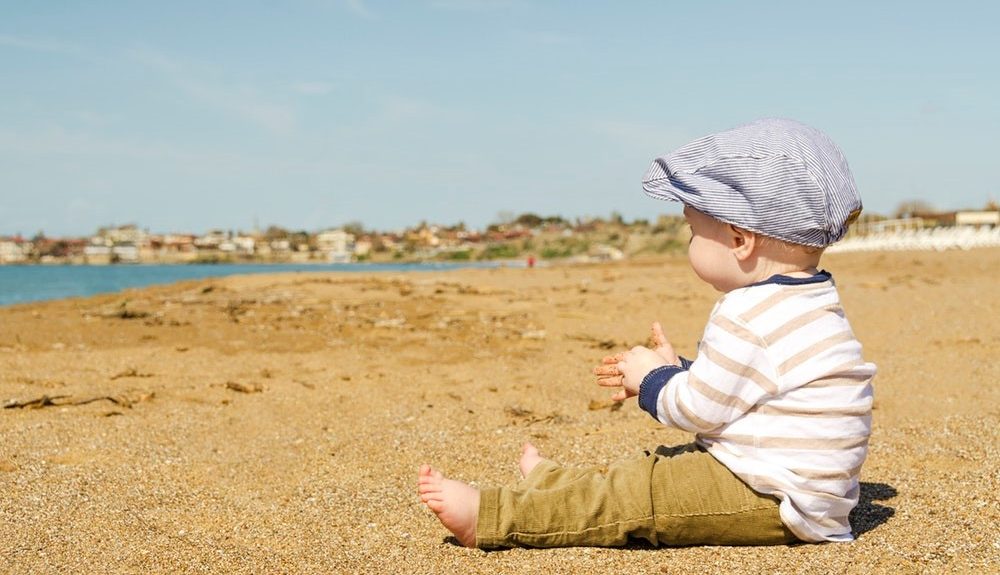
Summer is a wonderful season, and for many adults, it holds so many childhood memories of being outside and enjoying the natural environment, from BBQs to weekends at the seaside!
All amazing experiences that should be rekindled and shared with your little one this summer, but while you’re out and about, it is important to keep them safe. So, here are some of our top tips to keep in mind this summer:
Sun Cream
Did you know that a child’s skin is 15 times more sensitive than an adult’s? Combined with the knowledge that sunburn in childhood can double the risk of skin cancer later in life, it is vital to keep your little one’s skin safe when out in the sun.
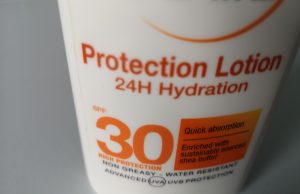 A minimum of SP30 sun cream should be administered and topped up on regular intervals, as specified on the bottle. The cream should also be nut-free, hypoallergenic and waterproof to help prevent any adverse reactions or allergies your little ones may have but be unaware of at a young age.
Don’t be fooled by the clouds, UV rays are capable of penetrating clouds and causing harm to young skin. Make sure that you take a look at the UV index for the day. If it is low and the sun is covered, then you don’t not necessarily need to use sun cream on your little one. However if the UV index indicates that it will be fair or high, even if it looks grey outside, make sure you apply generously before going out.
If your child attends child care, such as a childminders or nursery, make sure you ask your provider about their policy on sun cream. Kiddi Caru day nurseries hold SKCIN, the ‘Sun Safe School’ accreditation to keep all the little ones in their care safe, as well as educating children on how to dress, keep hydrated and wear sun cream to keep safe in the sun and ensure their future safety as well.
Ask your childcare provider if they hold this accreditation, how often they reapply sun cream during the summer and how long children are out during peak times in the summer months.
What to Wear in the Sun?
It is best to keep in mind that sun cream should be used as an EXTRA precaution. Where possible it is best to cover your little one’s skin with protective summer clothing that is breathable but ensures their skin is kept safe from harmful UV rays.
 Key items of clothing should always include a wide brimmed hat, such as a cap or (preferably) a legionnaire style hat that covers the back of the neck, as well as UV protection sunglasses.
When taking a trip to the beach or outdoor pool, opt for an all-in-one swimsuit instead of a child’s bikini or trunks. These all-in-ones cover the torso and half of the child’s legs and arms. They usually have additional UV protection built in and are made of a breathable fabric suitable for splashing in water.
To encourage your child’s interest and desire to wear protective clothing, why not take them on a shopping trip to find these items? Many are designed with popular children’s characters or themes to make them stand out and encourage your child’s sense of pride when wearing them.
If your little one is in a push chair, please never cover the buggy opening with a blanket (no matter how thin the fabric). The blanket blocks the air flow and will overheat your child to a dangerous level. Instead, you can attach a parasol to shade your child from the sun while keeping them safe and cool.
Keep Hydrated!
It is important to make sure your child has access to and drinks fresh water regularly, especially when they are doing sports or energetic activities in the sun or when it is warm. They should take a break every 15-20 minutes to have a drink in a shaded area.
If you little one is playing outside for long periods of time, make sure it is in a shaded area such as under a parasol or tree canopy with water to hand. It is best to provide fresh water rather than fruit juices or sugary drinks as they can attract insects such as wasps and ants.
Toddlers are usually quite good at letting parents know if they are dehydrated, however babies do not have this ability. Make sure that if you are breastfeeding you do so more regularly than normal to keep your baby hydrated, and if over six months and not still feeding make sure you have a cup of water nearby.
Water Safety
When the sun comes out we love to splash around in water to keep cool and have fun – whether this is in the sea, swimming pool or just a paddling pool in the garden. Whatever the body of water it is, it is important to make sure your little ones are never left unsupervised or unattended in the water, even if they are a capable swimmer already.
It is good practice to ensure your visit to water with your little one, whether that is a paddling pool in the back garden or a walk along a river, remains distraction free. This means staying alert and off of electronic devises when your child is loose near water. Afterall, a young child can drown in as little as 6cms of water.
Discuss water safety with your child, explaining the importance that they should not go in without you, introduce them to the lifeguard (if applicable) and explain their role.
In the case of an emergency, we do recommend every parent undergoes a form of Paediatric First Aid in the worst case that a child is injured or involved in an accident, whether in water or otherwise. This knowledge can prevent serious harm and even save a child’s life if the worst case were to happen.
Beware of Hot Cars
Getting everyone out of the car when you just need to pop into the local shop to get something can be a commotion, leaving them with mum or dad while you nip in, rather than getting everyone out and buggies (if required), is a tempting alternative.
Over summer the message of not leaving dogs in cars is widespread and the dangers well known, but there is never much said about the dangers of leaving children in cars when it’s hot.
A hot car is uncomfortable for adults, the air becomes thick and the heat makes you sweat, but adults can usually bear it for a short amount of time. Little ones, however, are a lot less likely to handle this heat and will start to struggle a lot faster. Babies in particular cannot regulate their temperature properly, meaning they may not automatically sweat as a method to cool down.
As a result, young children can take a turn for the worst very quickly.
Unless you are planning on leaving the car running and have an effective air conditioning system in the car, it is always best to take children with you, even if only for a few minutes.
Summer is an amazing season for creating memories, soaking in vitamin D and getting that all-important fresh air, but a safe summer is a better summer for everyone, in the short term and long term.
Written by Jackie Cambridge, Quality Care and Education Director at Kiddi Caru Day Nurseries Group