
Solving Canine Separation Anxiety with Routine
An ordinary trip to the shops without your canine friend can be a stressful event for both of you if canine separation anxiety is an issue. You will be worrying what is happening while the dog is left at home and, of course, being in a state of anxiety is not pleasant for humans or their pets!
A steady routine often helps because it makes departures, quiet periods and reunions easier to predict. Severe distress may need support from a vet or qualified clinical animal behaviourist, but small changes at home can still provide a useful foundation. Start with what your dog currently does, then introduce manageable adjustments without expecting an immediate transformation.
Identifying Subtle Signs of Distress
Some dogs bark or damage doors when left, while others show quieter signs. Watch for pacing, panting, repeated yawning, drooling or refusing a treat that they’d usually enjoy. Your dog may also follow you closely as you prepare to leave or become unsettled when you pick up your keys.
A camera can reveal behaviour you’d otherwise miss. Record the first 30 minutes after departure and note when distress begins. Dogs experiencing separation anxiety may attempt to escape, become destructive around exit points or show other signs of panic when left alone. Changes like these can be part of broader canine behaviour problems, so speak to your vet if symptoms appear suddenly, as pain or illness can also affect behaviour.
The Calming Power of Predictability
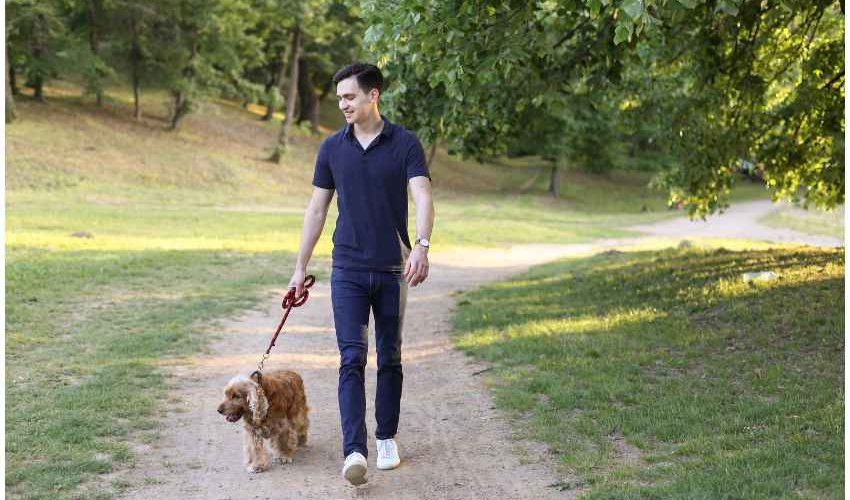
Build a daily rhythm around meals, exercise, rest and short periods alone. Exact minute-by-minute timing isn’t necessary, but keeping activities within familiar windows helps your dog anticipate what comes next. A brisk morning walk followed by breakfast and a quiet rest period can create a natural transition before you leave.
Regular help may be useful when work makes that pattern difficult to maintain. In West London, for example, Pets in the City’s dog walkers provide scheduled morning, midday and afternoon walks, including pick-up and drop-off. Whichever arrangement you choose, keep departures calm. Put on your coat, offer a prepared activity and leave without a prolonged goodbye that could heighten anticipation.
Breaking Up Solitary Hours
Avoid increasing alone time too quickly. If your dog becomes distressed after 20 minutes, practicing three-hour absences is likely to reinforce the problem. Begin beneath the current threshold, perhaps with a five-minute departure and return while your dog remains settled. Increase the duration in small, uneven increments so leaving becomes an ordinary event.
For longer working days, arrange a trusted friend, family member, sitter or walker to break up the hours. This gives your dog exercise, company and a chance to toilet. Gradually teaching dogs that time alone can feel safe is more appropriate than leaving a distressed dog to “cry it out,” which can make future absences harder.
Enrichment Toys for Quiet Moments
Choose enrichment that your dog already uses confidently while you’re at home. A food-filled rubber toy, snuffle mat or safe puzzle feeder can occupy them during the first part of an absence. Test each item under supervision and check that it suits your dog’s size, chewing style and dietary needs.
Reserve one or two favourite activities for calm alone-time practice, which helps them become a familiar cue for settling. Prepare portions from the dog’s normal daily food allowance to avoid accidental overfeeding. If they ignore a high-value treat as soon as you leave, take that seriously. It often indicates that the exercise is too difficult, so shorten the next absence and rebuild gradually.
Tracking Long-Term Behavioural Shifts
Keep a simple diary with the departure time, length of absence and behaviour seen on camera. Record practical details such as how long your dog took to settle, whether they ate and what happened when you returned. Weekly patterns give a clearer picture than memory alone. Progress might look like five quiet minutes becoming 15, or pacing stopping sooner.
Expect occasional setbacks after illness, household changes or disruption to the usual timetable. Return temporarily to an easier duration instead of pressing ahead. Contact your vet if your dog injures themselves, toilets indoors despite being house-trained, stops eating or cannot settle during very short absences.
A useful routine should produce visible relaxation over time, including softer body posture, normal eating and restful sleep while you’re away.
Photo by Honest Paws on Unsplash