
How a Tidy Space Supports Mental Health – The Psychology of Decluttering
Decluttering the home is a great way to free up space and create a tidier living space, but it can also have a significant impact on your mental health, mood, and overall wellbeing. Many people find the decluttering process to be cathartic and a way to start a fresh new chapter in life. This post will look at the psychology of decluttering and offer advice on how to declutter effectively.
Keep reading to find out more!
The Link Between Clutter & Stress
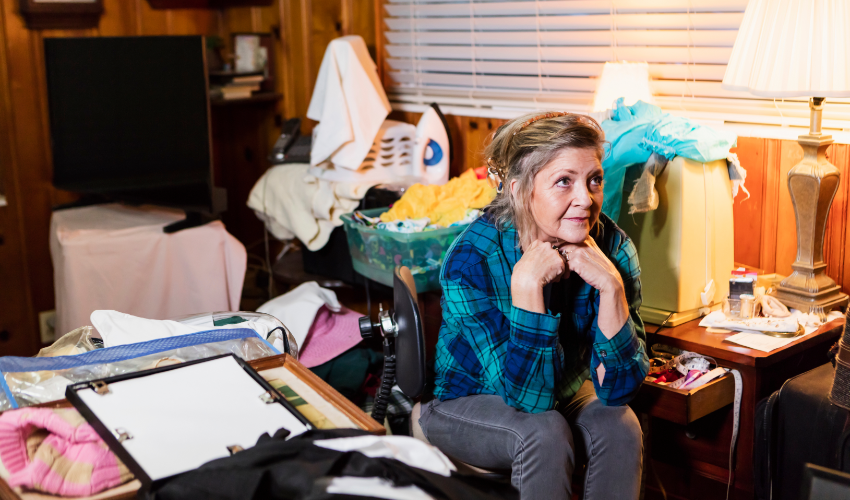
Studies show that there is a strong link between clutter and stress. Visual clutter can overwhelm the brain, increasing cortisol levels and contributing to feelings of anxiety and reduced productivity in both home and work environments (many people now work from home). If you feel anxious or find it hard to relax at home, it could be because you have a cluttered and disorganised living space that makes it hard to switch off or focus.
Space clearing is an aspect of Feng Shui. The approach promotes healing on a physical and emotional level and is great remedy for tiredness and fatigue.
Cognitive Benefits of an Organised Space
By creating a tidy, organised home environment and creating more space you can enjoy cognitive benefits that improve your daily life, mood, and overall wellbeing. This is because tidy environments support improved concentration, clearer decision-making, and enhanced cognitive performance, particularly in high-demand or remote work settings.
Decluttering as a Mindful Practice
Many people discover that decluttering the home feels like getting rid of baggage while also creating a calmer, more harmonious atmosphere at home, making it easier to relax and unwind each day. This is because decluttering can be an intentional activity that promotes mindfulness, emotional regulation, and a greater sense of control over one’s surroundings. It is very easy for clutter to accumulate over the years, especially when you have kids, so decluttering can help you reclaim control.
Practical Approaches to Sustainable Organisation
Decluttering can also be a daunting process, and it is hard to know where to begin. It is smart to break it down into rooms and small sections to avoid getting overwhelmed and so you can avoid the entire house becoming a mess. Organise items into keep, sell, throw out, donate, and recycle piles to simplify the process.
It is also helpful to consider smart storage solutions that will allow you to keep items out of the way and within reach. Beds with storage facilities can be very useful, and making use of underused spaces is wise, An excellent example is understairs storage that can free up space in the home and provide you with a dedicated space for items like coats, shoes, umbrellas etc. By keeping these bulky yet everyday items out of sight but within reach, you can create a calmer and more organised home environment.
Similarly, do you have attic space that could store items that are used infrequently.
Conclusion
The psychology of decluttering is a fascinating topic and many people underestimate just how much negative impact clutter can have on our wellbeing.
Decluttering is one of the best ways to improve your home and create more space, but it can also have a powerful psychological impact both in terms of the process and end result. Decluttering allows you to get rid of items you no longer need, helping you shed unwanted baggage and embrace a more minimalist lifestyle. It can also create a more intentional and peaceful living space, making it easier to relax, focus, and make the most out of your home each day.
And of course, when you are decluttering please do so mindfully. Take what you can to charity shops or even sell online, and ensure everything else you dispose of is done so in the most appropriate way.