
The Best Winter Activities for Your Mental Health and Your Metabolism
Though winter comes but once a year, it still has a nasty habit of putting a stain on the whole year – at least, for a considerable majority of us in the UK. Winters here can feel long, and can be especially tough for a variety of reasons not limited to the sheer dread of an overcast sky. The cold can have negative physical impacts for our health, and the cold and dark together can have negative mental health outcomes too. Keeping physically and mentally healthy in winter needs a little planning!
There are a great many things you can do to improve your winter, from a physical health standpoint and from a mental wellbeing standpoint too. Whatever your capacity or ability – and whatever it is about winter that gives you the blues – you’ll find some helpful tips in the following guide to restorative winter activities.
The Mental Health Benefits of Winter Exercise
First, let’s examine the mental health impacts of the winter, especially the lack of sunshine. Everyone is accustomed to experiencing some glumness when the sun effectively takes a 5-month holiday, sometimes even longer, but some of us feel that downturn far more keenly than others.
SAD, or Seasonal Affective Disorder, describes this phenomenon, wherein shorter days and longer nights can increase symptoms of depression and anxiety. SAD is very real and considered a sub-type of clinical expression.
Research suggests that sunlight affects levels of molecules that help maintain normal serotonin levels. Shorter daylight hours and an increased reluctance to spend time outdoors may prevent these molecules from functioning properly, contributing to decreased serotonin levels in the winter. Vitamin D deficiency due to lack of sunshine exacerbates this problem, which is why the NHS recommends taking vitamin D supplements in the winter months.
As such, regular exposure to natural sunlight is a vital aspect of maintaining positive mental health in the winter – and a great excuse to get out there to exercise. Exercise, of course, is a treatment for mental health conditions of all its own. By getting active, you encourage your brain to release endorphins, helping you better regulate your mood both in the short and long term.
Let’s take a look at some of the other options for keeping physically and mentally healthy in winter
Outdoor Winter Activities to Boost Metabolism
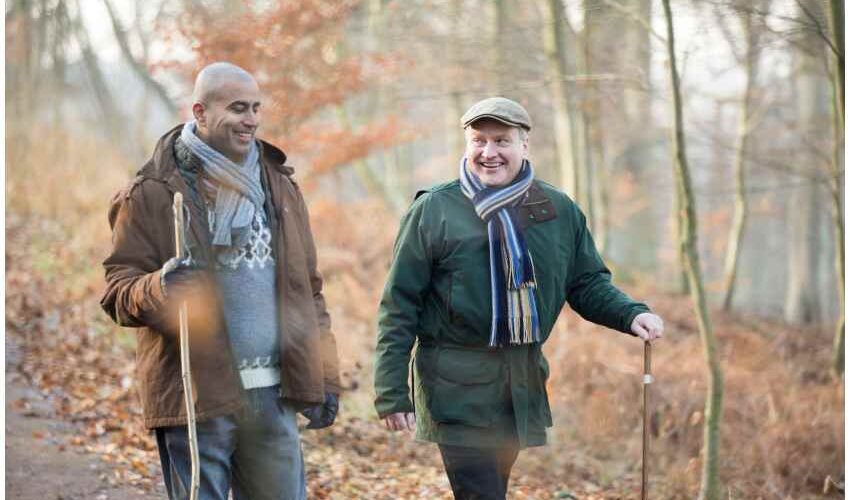
Of course, exercise has a more prominent initial benefit to health – being physical health. And one of the best ways to maximise the benefits of getting outside is a brisk 20-minute walk in the countryside, your local park, or any other green space. Ensure you plan well by wearing layers including a hat.
If getting outside is really difficult, open a window for a few minutes to let in fresh air and natural light.
Winter presents some unique opportunities to blend exercise with adventure, in pursuit of improving much more than your stamina.
Of course, many people head to warmer climes in the winter. Cruising the Canaries might be a great option for a sun-soaked winter holiday, and such holidays normally include plenty of options to add some physical activity.
But what about something a bit more invigorating?
Skiing, for instance, is an excellent form of endurance activity, tantamount to a full-body workout, that enhances your metabolic function as well as your cardiovascular health. This is where winter can take on more than an adversarial flavour; by combining holidaymaking with adventure sports, you can experience major physical and mental health boosts. As a great example of how to get the best out of both worlds, a La Rosiere skiing trip combines physical activity with uplifting alpine surroundings, supporting both your mental wellbeing and overall fitness.
Low-Impact Indoor Alternatives for Colder Days
So far, though, the request has been for you to make a break for the great outdoors – something you may not be able to do if money is not on your side, or if the weather takes a really nasty turn.
But keeping physically and mentally healthy in winter can take many forms.
Luckily, you are not prevented from finding healthy approaches to body and mind within the confines of your comfortably central-heated home; yoga, strength training, and home workouts are all viable ways to maintain fitness and support your mental clarity when outdoor conditions are less favourable.
And of course, do ensure you find plenty of time to keep in touch with family and friends. It can be very easy to isolate ourselves in the winter months, but that human contact is so important for our mental health.