
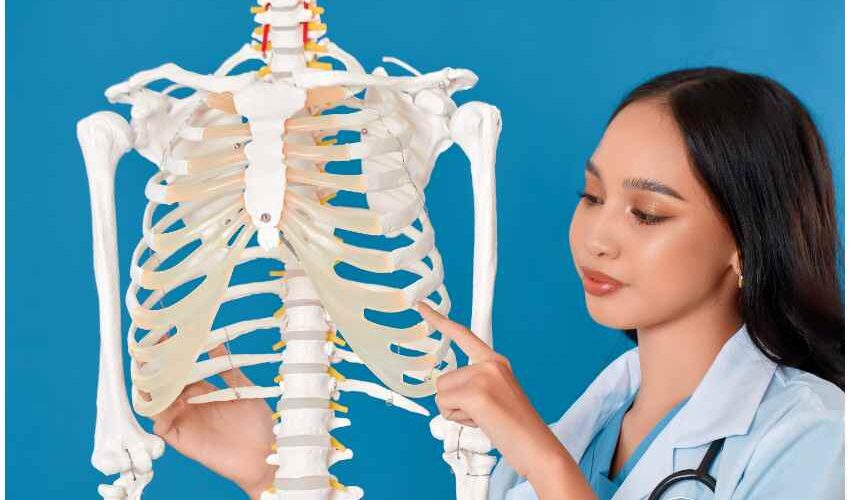
Long-Term Strategies for a Healthy Chest & Preventing Chronic Rib Pain
Chronic rib pain affects millions of people and can make everyday activities difficult. Whether discomfort arises from sitting at a desk, exercising, or even breathing, rib pain can limit daily life. The good news is that the steps you can take for preventing chronic rib pain may also help protect your rib cage and maintain chest health.
This article shares practical, science-backed strategies to keep your ribs healthy. We’ll cover posture, exercises, stretches, breathing, and nutrition. By following these tips, you can strengthen your chest and reduce the risk of pain over time.
Posture and Ergonomics for Rib Health
Understanding the Link Between Posture and Rib Strain
Slouching or leaning forward forces your ribs and surrounding muscles to work harder than necessary. Over time, poor posture increases stress on the bones, cartilage, and muscles of the chest, causing pain and stiffness. Maintaining good posture keeps your ribs in their natural position, reduces strain, and allows your muscles to relax.
How to Sit, Stand, and Sleep Better
When sitting, keep your feet flat on the floor and your knees at a 90-degree angle, with your back against the chair and your shoulders relaxed. If watching the TV, for example, or other screens, ensure they are at eye level to prevent forward head posture.
While standing, imagine a string gently pulling the top of your head toward the ceiling, with your shoulders back and down, chest open, and core slightly engaged.
For sleeping, side sleeping with a pillow between your knees is ideal. If you sleep on your back, place a pillow under your knees, and avoid sleeping on your stomach, which twists the spine and strains the ribs.
Workspace and Daily Activity Adjustments
Arrange your workspace so that your desk is at elbow height when your arms hang naturally at your sides. Keep your keyboard and mouse close to your body to avoid overreaching. Take breaks every hour to stand, stretch, or walk around. During phone calls, stand instead of hunching over. These small, consistent adjustments help protect your rib cage throughout the day.
Core and Chest Strengthening Exercises
Why Core Strength Matters for Rib Health
A strong core acts like a supportive belt for your body, stabilizing your ribs and reducing the load they carry. When your core is weak, your ribs work harder and fatigue faster. Building core and upper body strength can prevent rib pain and support quicker recovery if soreness occurs.
Safe and Effective Exercises
Planks are excellent for core strength. Start by holding a plank for 15 seconds and gradually work up to 60 seconds, performing this three times per week with rest days in between. But as expert personal trainer Cris Ramis explains, sit-ups and crunches should be avoided!
Resistance band exercises can strengthen chest muscles; hold a band at chest height and pull it apart slowly, repeating for multiple sets.
Gentle stretches, such as cat-cow movements, maintain chest flexibility. On hands and knees, arch your back into the cow position and then round it into the cat position, repeating slowly ten times.
These exercises are easy to do at home with minimal equipment and are excellent ways to build strength and preventing chronic rib pain in the longer term.
Building Strength Gradually
Begin with exercises that feel manageable and increase intensity gradually. Add one or two repetitions each week rather than jumping to harder versions, which helps prevent injury. Rest is equally important, as muscles grow stronger during recovery. Aim for three to four strength sessions per week, allowing at least one full rest day between sessions.
Mobility, Flexibility, and Rib Care
Stretching and Mobility Routines
Stretching keeps the rib cage mobile and reduces tightness. A doorway stretch is particularly effective: stand in a doorway with one arm raised and gently lean forward, holding the stretch for 30 seconds on each side. Performing these stretches daily, especially if you sit at a desk, only takes a few minutes but can make a noticeable difference in flexibility and comfort.
Breathing Exercises for Chest Health
Deep breathing strengthens the chest and improves posture. Sit up straight and inhale through your nose for a count of four, hold for four, and exhale through your mouth for six counts. Repeat this sequence ten times twice daily. Breathing exercises also help calm the nervous system and reduce tension in chest muscles.
Managing Occasional Rib Pain
Some people experience conditions like slipping rib syndrome, where ribs move more than usual and cause localized pain. Incorporating gentle exercises for managing slipping rib syndrome can help stabilize the rib cage, reduce inflammation, and support long-term recovery. If pain persists or worsens, working with a physical therapist is recommended, as they can tailor exercises to your specific needs and ensure safe rehabilitation.
Listening to Your Body
Pay attention to how your body feels during and after exercise. Sharp pain is a signal to stop immediately, while mild discomfort is generally acceptable. Adjust your routine based on what feels good. Some days you may feel stronger than others, and that is normal. Rest when needed.
Lifestyle Habits and Nutrition for Long-Term Rib Health
Anti-Inflammatory Foods and Nutrients
What you eat affects your rib health. Foods rich in omega-3 fatty acids, such as salmon, mackerel, and sardines, help reduce inflammation. Leafy greens like spinach and kale provide vitamins that support bone and muscle health. Consuming foods high in calcium and vitamin D, such as dairy, fortified plant milks, nuts, and seeds, strengthens bones and supports long-term rib health.
Maintaining a Healthy Weight
Excess weight places additional pressure on the rib cage and surrounding muscles. Maintaining a healthy weight reduces strain and naturally supports better posture. Balanced meals with lean protein, whole grains, and plenty of vegetables, along with adequate hydration, help achieve this goal.
Daily Habits That Support Rib Health
Staying active keeps the chest and core strong. Aim for 150 minutes of moderate activity each week, such as walking, swimming, or cycling. Avoid smoking, as it weakens bones, slows healing, and tightens chest muscles. Prioritize sleep, as your body repairs itself at night, and proper hydration to support muscle function and reduce cramping.
Conclusion
Preventing chronic rib pain requires consistent attention to posture, strengthening exercises, stretching, breathing, and nutrition. Even small daily changes, such as adjusting how you sit, performing gentle stretches, or incorporating anti-inflammatory foods, can have a significant impact over time.
Gradually building core and chest strength, maintaining flexibility, and practicing mindful breathing helps protect your ribs, improve posture, and support overall chest health. Listening to your body and adjusting your activities accordingly is essential. Sharp pain is a signal to stop, while mild discomfort may indicate progress in building strength and flexibility.
By taking proactive steps today, you can maintain a strong, resilient chest, prevent chronic pain, and enjoy greater comfort and freedom of movement for years to come.