
Is My Child Hearing Me? Is there a Hearing Issue?
Is your child responding when you call their name or reacting to everyday sounds? “Is my child hearing me?” “Is there a hearing issue?” – these are both common questions. Understanding your child’s hearing health is crucial for their development and communication skills.
This article by Paul Shaw, head audiologist at The Hearing Space, explores how to recognise signs of hearing issues and what steps you can take to ensure your child is truly hearing you.
As both a parent of two children and with many years of experience assessing young children’s hearing, I know how difficult it can be to know if your child is not ‘hearing’ or not ‘listening’. The importance of good hearing during childhood is key to language development, social development, and learning.
Thankfully, most permanent hearing loss that is present when babies are born, is detected with the new-born hearing screening programme, with only a very small number of children developing a permanent hearing loss during their childhood. There are, however, a high proportion of children who develop intermittent, often fluctuating hearing loss, often known as ‘glue ear’. This can be detected by an audiologist specially trained to work with children.
What is Glue Ear?
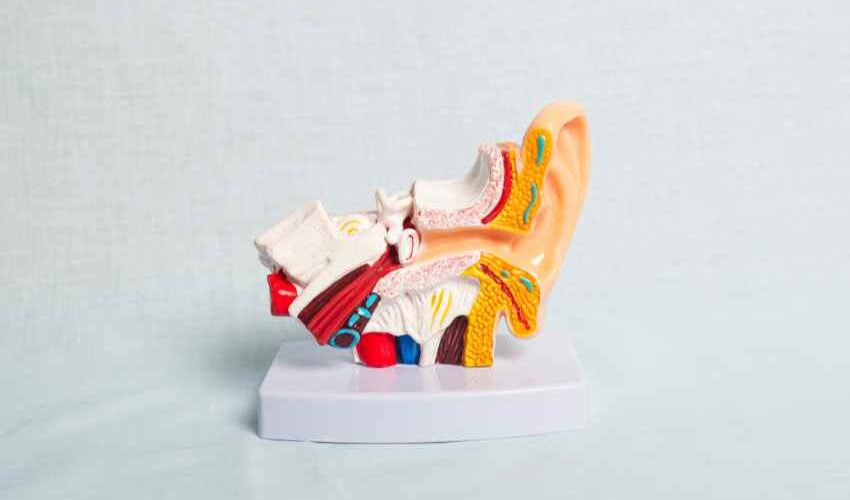
Glue ear is essentially when the small middle ear space (usually filled with air), which contains the three tiny middle ear bones, gets filled with a sticky, mucus type fluid. This restricts the movement of the eardrum and the middle ear bones and effectively reduces the amount of sound which is transmitted to the cochlea in the inner ear. This can give rise to a fluctuating hearing loss which can have a huge impact on a child’s ability to hear.
Often, it can clear up naturally, but in some children, it persists for months and sometimes years. Some common things to look out for with your child if they are experiencing glue ear are: they do not respond to their name, their behaviour deteriorates, they say ‘what’ or ‘pardon’ more frequently, they often appear that they are not listening, their teachers notice they are struggling with following instructions.
Treatment for Glue Ear
Glue ear is common and is not something to be unduly concerned about if it is short lived. If, however, it persists for more than 3 months, it can become problematic. I’ve worked with infants and young children for many years, and if your child is found to have glue ear, I can guide you on the most appropriate next steps. Sometimes it’s just a matter of monitoring, but in other cases, treatment may be needed to support your child’s hearing and development.
Signs to Watch For Early Hearing Problems
Besides glue ear, there are several other early signs that could indicate your child might be experiencing hearing difficulties. For example, delayed speech or language development is often one of the first clues. If your child isn’t babbling, using words, or forming sentences at the expected age, this might be a sign their hearing isn’t quite right.
You might also notice your child struggling to follow conversations, especially in noisy environments like playgrounds or classrooms. They may seem easily distracted or have trouble paying attention — not because they’re misbehaving, but because they simply can’t hear well enough to follow what’s going on.
Other common signs I see include children frequently asking people to repeat themselves, turning the volume up high on the TV or tablet, or appearing not to notice quieter sounds like whispers or distant voices.
If you’re seeing any of these patterns, it’s worth having their hearing checked. An early assessment gives us the chance to spot any issues and make sure your child gets the right support as soon as possible.
Why Early Detection Matters
Detecting hearing difficulties early really does make all the difference. Hearing is absolutely central to how children learn language, develop social skills, and take in the world around them. When hearing problems are picked up late, children can fall behind in speech and language, which in turn can affect their confidence and their ability to engage socially or in the classroom.
It’s not uncommon for hearing loss to be mistaken for behavioural or learning difficulties. That’s why it’s so important we assess things properly from the start.
As an audiologist, I work closely with families to make sure we get a clear understanding of your child’s hearing and communication needs. If there is a problem, we’ll explore practical, age-appropriate options , from monitoring to hearing aids or other support, so your child can continue to grow and thrive alongside their peers.
Supporting Your Child’s Hearing Health
There are simple, proactive steps you can take to support your child’s hearing day to day:
- Minimise exposure to loud noises, particularly through headphones or in very noisy play environments.
- Encourage regular hearing check-ups, especially if your child has had glue ear before or seems to be struggling again.
- Create a calm listening environment at home where possible, reducing background noise during conversations, reading time or homework.
If your child does use hearing aids or assistive listening devices, it’s important to keep them clean and in good working order, I can show you how to do this during your appointment. Small changes can make a big difference.
How Audiologists Can Help
At The Hearing Space, I offer thorough, child-friendly hearing assessments designed to help you feel informed and reassured. I know that every child is different, and so is every family, which is why my approach is always personal and relaxed.
Understanding your child’s hearing health and detecting the early signs of a hearing issue is essential. If you’re concerned about your child’s hearing, or simply want to check everything is on track, its important to seek advice from an audiologist.
Glue ear and other common hearing issues can often be managed very effectively once we know what’s going on. Please do get in touch if you’d like to book a paediatric hearing check or talk through your concerns. I’m here to help, every step of the way.