
Simple Safety Measures for People with Hidden Health Conditions
Living with a hidden health condition can feel hard, especially when emergencies happen. Many people across the UK manage illnesses others can’t see, such as diabetes, epilepsy, severe allergies, or heart conditions. In this article, we’ll focus on simple safety measures those living with invisible disabilities can take.
Research confirms that 70-80% of all disabilities are invisible, meaning the majority of those affected do not show outward signs of their condition. These problems might not show on the outside, so strangers or emergency workers may not know what someone needs during a crisis.
Basic safety steps can make a real difference when every second counts. The first few minutes after a medical episode are important, and having key health details on hand helps emergency teams make the right decisions.
The NHS points out how fast, clear recognition of health conditions allows care teams to act quickly and properly. This helps people unable to speak or who are unconscious. Making health details easy to find can guide the right treatment and prevent confusion during emergencies.
Why Hidden Health Conditions Need Visible Safety Solutions
Conditions like diabetes, epilepsy, severe allergies, and heart-related issues might not show obvious signs but can cause sudden emergencies. According to Diabetes UK, for example, over 4.9 million people in the UK live with diabetes, and thousands of others manage hidden illnesses every day.
If paramedics arrive at an emergency without clear health information, treatment decisions get harder. For example, someone having a diabetic low may seem confused or unsteady, which could be mistaken for intoxication if bystanders don’t know the full story.
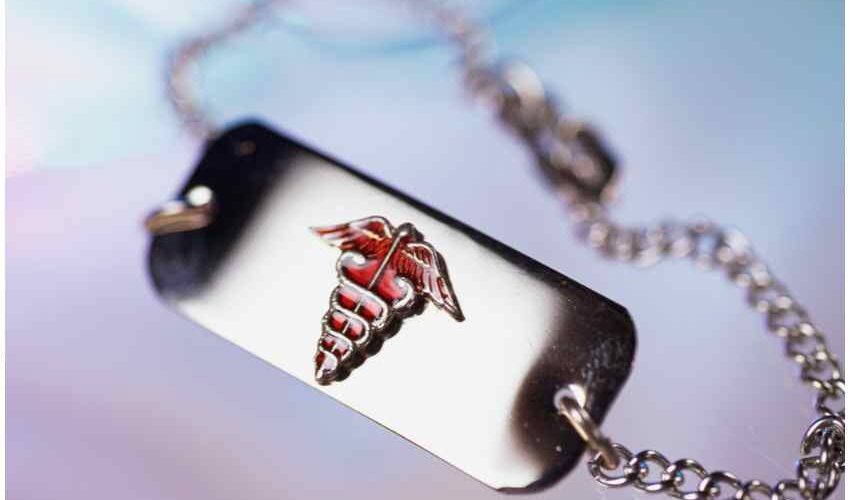
Wearing a medical alert bracelet gives emergency teams immediate medical information when the wearer can’t speak. This helps avoid dangerous guesswork and ensures faster, safer care for the underlying medical issue.
In addition to physical safety, knowing vital information is visible brings peace of mind. Many people living with invisible disabilities feel more secure going out alone when a medical ID card can communicate for them, allowing for greater independence despite health challenges.
Essential Safety Measures Beyond Medical ID
While medical identification is important, there are extra habits anyone with a hidden health condition should use. Setting up ICE (In Case of Emergency) contacts on a phone is a reliable step. Most smartphones now allow users to save emergency health and contact information that’s accessible from the lock screen.
A careful emergency plan works best when shared with close friends and family, so everyone knows their role during a crisis. This might include listing medicines, teaching how to spot early warning signs, or deciding what to do if symptoms begin. Practicing these steps together can prevent panic and errors in urgent situations.
Carrying medical information cards in bags or wallets covers additional situations. These cards can detail health conditions, current medicines, allergies, and emergency contacts. Keeping duplicates in different bags ensures this information is always close regardless of the day’s plans.
Medical Alert Jewellery: A Frontline Safety Tool
Medical alert jewellery shares silent but important information during emergencies. Paramedics are trained to check for these items quickly, so clear engraving can directly affect the kind of care a person receives.
Effective ID should state the precise health condition, urgent needs, and at least one emergency contact. For anyone needing specific medication or allergy treatment, those instructions offer clear guidance during the first assessment.
Several styles exist so people can match safety with comfort and personal routine. Classic engraved metal bracelets are familiar across UK hospitals, and paramedics are used to checking them. Digital bracelets with QR codes let health teams access extended records online. Silicone wristbands suit children or active people, since they’re light and water-resistant.
Health professionals suggest medical alert bracelet use for anyone whose condition could affect emergency care. Advice includes people with diabetes, epilepsy, severe allergies, heart problems, or anyone taking strong blood thinners. Living alone or travelling further increases the need for reliable identification when help may come from strangers.
And it is important that people living with hidden disabilities are able to live as normal a life as possible. For instance, if you enjoy coastal or countryside walks, hiking or cycle in rural areas, or love to attend busy events, effective ID on jewellery or phone apps can display medical details for emergency crews to find, even on lock screens, if the person cannot respond. However, do consider that it is also important that Apps on phones should be common enough for NHS and UK paramedics to recognise and access without barriers.
Making Safety Measures Part of Daily Life
Adding these safeguards into daily habits needs a practical approach. Placing identification items near keys or a wallet makes forgetting them less likely. Some people keep a spare in a bag or leave a note by the front door as an extra reminder.
Parents whose children are living with invisable disabilities can teach safety by helping them describe their condition. Young kids may practice simple phrases about their health needs. For example, children can learn to say they have asthma and where to find their inhaler.
Children with allergies can practice telling others to check their bracelet. If children forget, tags or cards clipped to backpacks work as reliable backups.
Letting teachers, workplaces, or club leaders know about important medical issues adds more protection. Schools often have plans for managing hidden conditions such as severe allergies. Such notification helps support the individual discreetly but effectively.
Finding the right balance between privacy and support is a personal choice. Some share their health details only with trusted colleagues or friends; others inform a wider circle so more people are ready to help if needed.
Seasonal changes also matter. Summer outings increase risks for dehydration or contact with allergens, while heavy winter clothing might hide medical jewellery. Updating safety plans for each season helps keep protection consistent all year.
Emergency Readiness Checklist for Hidden Health Conditions
An effective routine combines visible ID, updated emergency contacts, and accessible medicine. Emergency contacts on a mobile should be regularly checked, since people and phone numbers change. Telling trusted individuals about the condition means help can be given sooner at home or while out. Carrying prescribed medication in its original packaging prevents confusion and speeds up treatment.
Store extra copies of medical documents safely at home, at work, and with someone trusted. Check for possible risks each season and update plans if needed. Everyone can benefit from knowing the nearest hospitals and urgent care centres to avoid delays if help is required. Different parts of the country have different response times. Knowing your area matters; being ready can bridge gaps until professional help arrives.
Including these habits in daily routines increases the chances of getting the right care during emergencies for people living with invisible disabilities. Preparing identification, sharing details, and keeping medicines handy all help. These habits support independence and confidence, making it easier for people with hidden health concerns to live fuller, safer lives while reducing risks.