
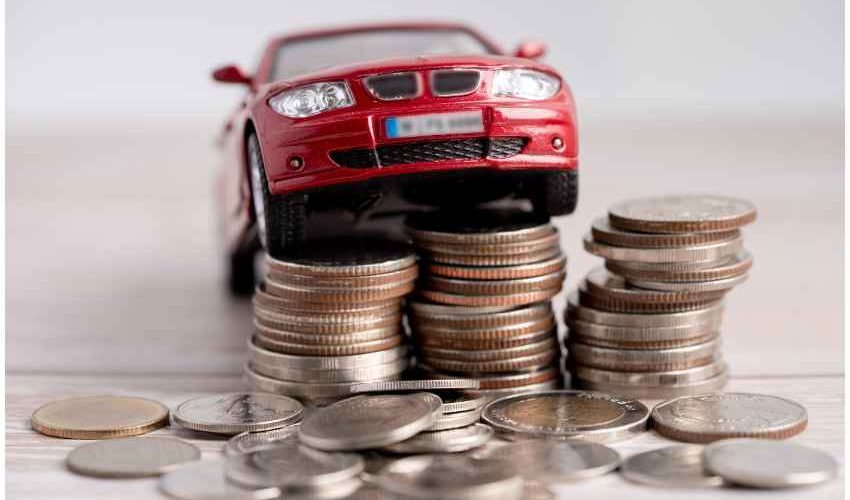
Financial Wellbeing Starts in the Driveway
Car Budgets and Everyday Calm
Money worries rarely arrive all at once; they accumulate in monthly commitments that looked harmless individually. For many households, the car is often one of the largest of those commitments and the least examined. Looking at it squarely — not anxiously, just honestly — is one of the most effective acts of financial self-care available, and the benefits show up well beyond the bank statement. If you want to stop your car costs creating stress, check out the advice below.
Why Car Costs Deserve a Wellbeing Lens
Financial stress is rarely about the total a household earns; it is about the gap between commitments and income, and the unpredictability of the gap. Cars sit at the centre of that equation because they combine a fixed monthly payment with variable costs that behave badly in cold snaps, school holidays and unexpected repairs.
When the car budget is right, the rest of the household ledger breathes. There is room for the boiler service, the birthday present, the modest holiday. When it is wrong, every other decision becomes fraught. That is why an hour spent reviewing car finances is an hour spent on wellbeing, whatever the weather in Essex is doing.
The Honest Car Cost Audit
The exercise is simple and slightly uncomfortable: add up what the current car actually costs. The payment, the insurance, the fuel, the tax, the servicing, the tyres, the one-off repairs of the past year. Most households discover their true monthly car figure is meaningfully higher than the payment they can recite — and that gap is exactly where the pressure has been hiding.
The audit is not about guilt. It is about data. Once the true figure exists, decisions become clearer: whether the current agreement still fits, whether the running costs justify the car, and what a change — if one is wanted — would need to achieve.
Electric Cars
Electric cars are generally more expensive to purchase, although it is far easier to find second-hand options nowadays therefore potentially reduce that initial outlay. The reduction in other costs invariably compensates for the increased initial outlay according to a number of factors such as mileage, insurance and city emission charges.
The honest car audit approach would clearly be essential when checking the overall financial benefits of electric cars and help stop your car costs creating stress.
Finance Structures Without the Jargon
Three routes cover most agreements. A personal loan is the simplest: borrow, buy, own. Hire purchase spreads fixed payments and transfers ownership at the end. PCP keeps monthly payments lowest by deferring a large slice of the car’s value into an optional final payment — the structure whose small print rewards the closest reading.
For anyone whose credit history is imperfect, the market has specialist lenders whose terms vary widely. Independent resources like finance a car with bad credit explain how these lenders assess affordability and why comparing several offers changes the outcome. Financial calm begins with knowing the real total, not just the monthly line.
The PCP Fine Print and Peace of Mind
PCP (Personal Contract Purchase) agreements reward optimism: about mileage, about condition, about future plans. Life in a busy household is rarely that cooperative. When the assumptions in the agreement and the reality of the year diverge, costs appear in exactly the months when budgets are already stretched.
Understanding how these agreements have been mis-sold to others is protective, not pessimistic. A clear summary of mis-sold PCP claims explains the commission and disclosure problems that have surfaced across the industry, and which written figures belong in every buyer’s folder before signing. Informed buyers sign calmer agreements.
Small Structural Changes, Real Relief
Households that reduce car stress usually do it through structure, not sacrifice. A slightly smaller engine with a lower insurance group. A shorter agreement that ends before the car’s neediest years. A maintenance buffer of twenty or thirty pounds a month that converts emergencies into inconveniences. None of these is dramatic; together they change the texture of the month.
The same structural thinking applies to the agreement itself. Knowing the early-settlement figure, keeping documents in one folder, and photographing each page as it arrives — these small habits cost minutes and return composure whenever a question arises later.
A Calm-Money Checklist
- Audit the true annual cost of the current car, including the surprises.
- Compare total payable across three quotes before any change.
- Match mileage allowances to real life, plus margin.
- Keep a monthly maintenance buffer, however modest.
- Store every document together; paperwork is stored calm.
The Wellbeing Dividend
Financial wellbeing is not a number; it is a feeling of being on top of commitments rather than beneath them. The full car cost, managed thoughtfully, moves a household towards that feeling every single month. Audit it, compare it, read its documents — and let the driveway become a source of quiet rather than a quiet source of worry.
The Nearly-New Alternative
Households seeking a calmer car budget often find it in the nearly-new market. Someone else has absorbed the steepest depreciation years, so the second owner enjoys most of the car for a gentler sum — and a lower financed amount means a lower commitment every month thereafter. For a budget built on predictability, that arithmetic is quietly powerful.
The diligence required is modest and learnable: a history check, a service record without gaps, an MOT history with sensible advisories, and an independent inspection before purchase. Finance is readily available on used cars, and the comparison rules — total payable first — are identical.
Insurance as Part of the Picture
Insurance is the car cost households can most directly influence, and the spread between providers for the same driver and car is remarkable. Renewal dates reward shopping around; adding named drivers can raise or lower premiums depending on their profiles; and modest changes in excess levels move the annual figure more than most people expect.
Treating insurance as part of the car decision — priced for the specific model before signing anything — completes the honest audit and often changes which model wins. The calmest car budgets are built on the whole picture, never the payment alone.