
How to Choose CBD Oil in the UK: A Practical Buyer’s Guide
CBD oil has become one of the most talked-about additions to UK wellness routines, turning up everywhere from bedside tables to gym bags. But with so many bottles, strengths and spectrums on the shelves, choosing confidently can feel confusing. A few practical checks – on labelling, lab reports and format – make it far easier to pick a product that genuinely suits your routine.
Why CBD oil has become a wellness staple in the UK
CBD, short for cannabidiol, is a naturally occurring compound found in the hemp plant. Unlike THC, the psychoactive part of cannabis, it does not produce a ‘high’ – one reason it has found such a firm place in everyday wellbeing conversations. Many customers choose it as a simple addition to routines built around rest, balance and general self-care. In the UK, CBD extracts have been classed as novel foods since January 2019, which means they are regulated as foods rather than medicines and must meet food-safety standards.
For shoppers, that framework is genuinely useful. The Food Standards Agency (FSA) keeps a public list of CBD products that may remain on sale while their novel food applications are assessed, so a reputable seller should be able to tell you whether its products appear on it. Established UK brands tend to make this easy to check. Bristol CBD, for example, has been trading since 2017 and states that its CBD Oil range is third-party lab tested, made from organically grown hemp and included on the FSA’s public list.
Full-spectrum vs broad-spectrum CBD: what’s the difference?
One of the first things to decode on any label is the spectrum. A full-spectrum oil contains CBD alongside the hemp plant’s other naturally occurring compounds, including small, legally limited traces of THC – in UK products, typically less than 0.2 per cent. Many people choose full-spectrum oils because of what is often described as the ‘entourage effect’: the idea that these compounds may work better in combination than in isolation, although the research is still developing and nothing is guaranteed.
Broad-spectrum oils take a different approach. They keep a wider mix of cannabinoids and terpenes but are processed to remove THC, so they are designed for shoppers who would rather avoid it altogether. Neither spectrum is automatically ‘better’ – it comes down to personal preference, budget and comfort. Some UK retailers, Bristol CBD among them, stock both styles side by side, which makes comparing labels straightforward. Whatever you choose, the lab report matters more than the marketing: it shows what is actually in the bottle.
Understanding CBD oil strengths and daily intake
Strength labels can mislead if you only glance at the percentage on the front of the bottle. What matters more is the number of milligrams of CBD in each drop, capsule or gummy, and how many servings you actually take. A 10ml bottle at 5 per cent contains around 500mg of CBD in total, but your daily intake depends entirely on the amount you measure out – so it is worth reading the per-serving figure, not just the headline percentage.
It is also worth knowing the official position. The FSA advises healthy adults not to exceed 10mg of CBD per day from food products, a precautionary figure updated after safety reviews by its expert committees. Those committees have also set a safe upper limit of 70 micrograms of delta-9 THC per day, and the FSA’s CBD guidance explains the background to these precautionary limits. Checking the milligrams per serving on the label – and keeping an eye on your total across oils, gummies and other edibles – makes it simple to stay within that advice.
What to look for in lab-tested CBD products
Almost every brand claims to be ‘lab tested’, but the phrase only means something if you can see the results yourself. Before buying, look for a certificate of analysis from an independent, third-party laboratory and check it covers the essentials:
- A batch or lot number that matches the product in your hand
- A full cannabinoid profile confirming the CBD content, not just a headline figure
- A THC result showing the product sits within legal and safety limits
- The test date, so you know the report reflects current stock
- The name of the laboratory, which should be independent of the brand
Transparency here is one of the strongest quality signals a brand can offer. Bristol CBD is a useful example: its oils are made from organically grown hemp, and the company publishes third-party lab results for customers to review before they buy. The brand also cites its ‘Excellent’ rating from the Medical Cannabis Clinicians Society as an independent endorsement. Whether you buy from this retailer or another, the same principle applies – if a company cannot show you a recent, batch-specific report, it may be sensible to keep looking.
Choosing a format: oils, capsules, sprays, gummies and topicals
CBD oil drops remain the most popular starting point, largely because dosing is flexible: you place drops under the tongue and can adjust the number gradually. Sprays work in a similar way and are designed for people who find droppers fiddly. Capsules and gummies trade some of that flexibility for convenience – each one contains a fixed amount, which makes tracking your daily intake simple, and they travel well in a bag, briefcase or desk drawer. For beginners, that consistency can be reassuring.
Topicals such as balms, creams and massage oils form a separate category. They are applied to the skin rather than swallowed, so they may suit people looking for something to use on a specific area as part of a post-exercise or evening routine. Whichever format appeals, many customers choose to keep things simple: one product that fits their habits, used consistently, is usually easier to manage than a cupboard full of bottles.
Building CBD into a wider wellness routine
It helps to think of CBD as part of a wider wellness routine rather than a fix for anything specific. CBD products sold in the UK are foods, not medicines, and they are not intended to treat, cure or prevent any condition. As with any food supplement, reading the label and product information carefully is an important part of making an informed choice. Used with that in mind, CBD may be a useful option alongside the other habits that keep you well, from decent sleep to time outdoors. It also sits within the wider world of complementary and alternative therapies that many readers of this site already explore as part of a healthy lifestyle.
Ultimately, choosing CBD oil well comes down to three habits: read the label rather than the marketing, ask to see the lab report, and pick a format you will actually use. Do that, and a crowded shelf becomes far less confusing.
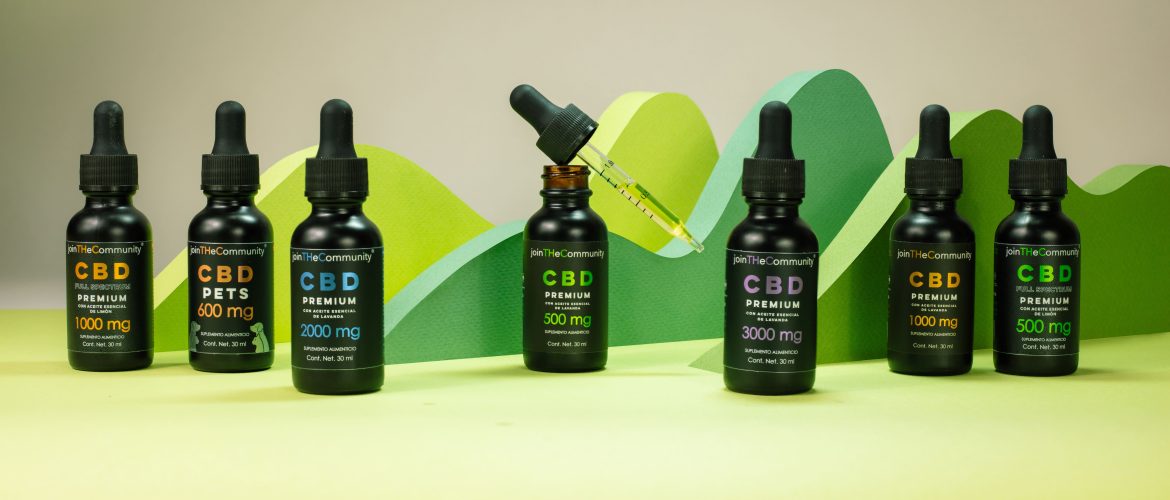
Photo by Saul Rivera: https://www.pexels.com/photo/vials-of-cosmetics-17604898/