
Symptoms, Recovery, and Prevention of Acromioclavicular (AC) Joint Injuries
Shoulder injuries are more common than most people realise. They happen during sport, exercise, falls, and even routine daily activities. A knock during a cycling ride or a heavy landing at the gym can cause more damage than it first appears. This article focuses on understanding acromioclavicular (AC) joint injuries, the symptoms, recovery process and how to prevent AC injuries.
Many people brush off shoulder pain, assuming it will settle on its own. However, ignoring persistent discomfort can delay recovery and lead to longer-term problems. Getting an accurate assessment early makes a real difference. Knowing what you are dealing with is the first step toward getting better.
What Is the AC Joint?
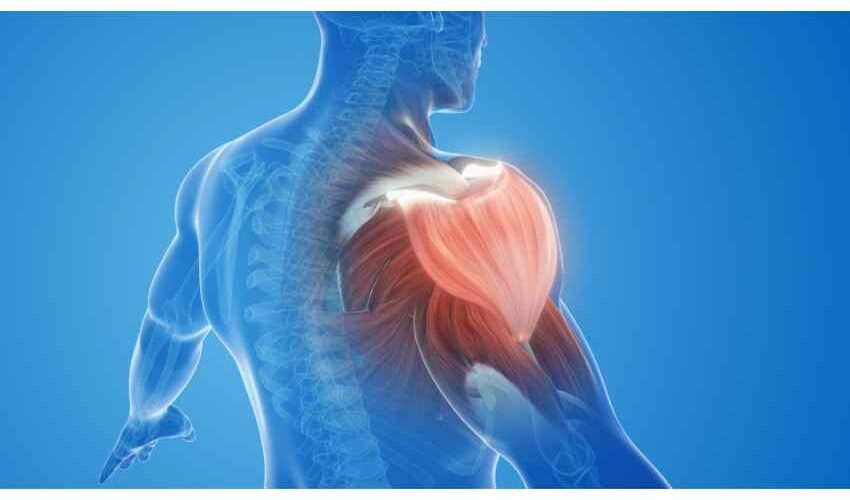
The acromioclavicular (AC) joint sits at the top of your shoulder, where the collarbone meets the shoulder blade. It is a small joint, but it plays an important role in how your arm moves and how load is transferred through the shoulder.
Most people are unaware of it until something goes wrong. The AC joint is particularly vulnerable during falls onto an outstretched arm or direct impacts to the shoulder. These are exactly the kinds of forces that occur in cycling accidents, contact sports, and gym injuries.
Common Causes of AC Joint Injuries
AC joint injuries tend to happen in predictable ways. The most common cause is a direct fall onto the shoulder or an outstretched hand. The force travels through the joint and can strain or tear the ligaments that hold it together. Some of the most frequent causes include:
- Cycling accidents, particularly falls over the handlebars
- Contact sports such as rugby, AFL, or martial arts
- Falls during skiing, snowboarding, or trail running
- Awkward landings in gymnastics or CrossFit
- Heavy overhead lifting or bench pressing gone wrong
You do not need to be a professional athlete to injure your AC joint. Recreational sport and everyday fitness activities carry the same risks.
While traumatic AC injuries are commonly associated with sports, older people are far more prone to degenerative acromioclavicular conditions, sometimes caused by injuries in their youth being neglected.
Signs You May Have an AC Joint Injury
The most obvious sign is pain at the top of the shoulder, right where the collarbone meets the joint. It can feel sharp during movement or dull and persistent at rest. Some people notice a visible bump or swelling over the area. Other common signs include:
- Reduced range of motion in the shoulder
- Difficulty lifting your arm above shoulder height
- Pain when reaching across your body
- Discomfort during overhead activities or pressing movements
- Tenderness when touching the top of the shoulder
Symptoms vary depending on the severity of the injury. A mild sprain may feel manageable at first, while a more significant ligament tear can cause immediate pain and noticeable instability.
Understanding acromioclavicular (AC) joint injuries and taking appropriate action can help prevent ongoing issues including AC joint arthritis in later years.
Recovery and Rehabilitation
Recovery from an AC joint injury depends on how severe the damage is. Mild to moderate injuries are typically managed without surgery, through a structured rehabilitation programme. More significant tears may require specialist review before rehabilitation begins. The general stages of recovery include:
- Accurate diagnosis through clinical assessment and imaging where needed
- Activity modification to reduce load on the joint in the early stages
- Graduated exercise to restore strength, stability, and range of motion
- Sport-specific training as you progress toward returning to full activity
Professional guidance matters throughout this process. Returning too quickly or following the wrong programme can significantly set recovery back. Most people with mild to moderate AC joint injuries recover well with the right management. The key is to progress at the right pace and address any underlying movement issues that may have contributed to the injury.
When Should You Seek Professional Help?
Some shoulder pain does settle with rest, but there are clear signs that professional assessment is the right next step. Pain that persists beyond a few days without improvement is worth getting checked. The same applies if you notice significant swelling, a visible deformity at the top of the shoulder, or reduced function that affects daily tasks or sleep.
Recurring discomfort each time you return to sport is another signal that something needs attention. Leaving these symptoms unmanaged can lead to compensatory movement patterns and longer recovery times.
Readers seeking more information on assessment, rehabilitation, and professional management options can explore resources such ac joint injury treatment in Melbourne to provide a better understanding of acromioclavicular (AC) joint injuries
Conclusion
AC joint injuries are easy to underestimate, especially when the initial pain feels manageable. However, the shoulder is a complex structure, and unresolved injuries have a way of resurfacing during activity.
Early intervention consistently produces better outcomes than waiting. Whether the injury is a mild sprain or something more significant, getting an accurate diagnosis puts you in a much stronger position to recover fully.
If your shoulder pain is persisting, affecting your sleep, or flaring up every time you return to exercise, seeking a professional assessment is the most straightforward thing you can do for your recovery.