
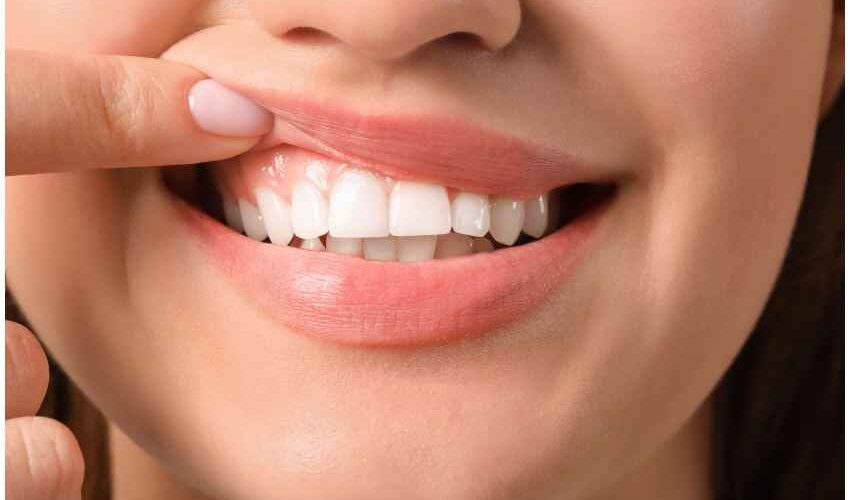
Gum Health is Often Overlooked even though it is a Key Marker for Overall Health and Wellbeing
When most people think about oral health, their attention naturally goes to their teeth. Whitening treatments, straight smiles and avoiding cavities tend to be the priorities, while gum health is often left in the background. Yet gums are what support every tooth and keeping them healthy is one of the simplest ways to protect your smile over the long term. This article will explain why good gum care is essential.
Good gum care isn’t simply about appearances. Healthy gums help keep your teeth stable, contribute to day-to-day comfort, and form an essential part of your overall oral health. A few consistent habits each day can make a noticeable difference, helping you maintain a healthier mouth for years to come.
Healthy Gums Provide the Support Your Teeth Need
Every tooth relies on healthy gum tissue for support. Your gums act as a protective barrier around the teeth, helping to shield the underlying structures while keeping your smile looking healthy and balanced.
Despite their importance, gums rarely receive the same attention as teeth. Many people focus on cosmetic improvements without realising that healthy gums are the foundation of every attractive smile. Looking after both together produces the best long-term results.
Dental professionals encourage a balanced approach to oral care that combines preventative treatment with regular check-ups. Clinics such as The Oliver Clinic recognise that cosmetic dentistry works best when it is supported by healthy gums, making gum care an important part of every patient’s overall treatment plan.
Routine dental examinations also allow dentists to spot small changes that may otherwise go unnoticed. Addressing concerns early often helps maintain healthy gums while supporting long-term oral wellbeing.
Your Gums Can Reveal More Than You Might Think
The condition of your gums can say a great deal about your oral health. Healthy gums are generally firm, comfortable and light pink, forming a secure seal around each tooth.
When changes occur, they are often among the first signs that your oral hygiene routine may need a little more attention. Paying attention to these early changes allows you to discuss them with your dentist before they become more difficult to manage.
Many dentists encourage patients to view gum care as part of their wider health routine rather than something separate. Just as regular exercise and a balanced diet become everyday habits, looking after your gums should become part of your daily routine too.
Healthy gums also act as a protective shield against harmful bacteria that can enter the bloodstream gums are bleeding or infected.
Poor gum health is often linked directly to chronic conditions such as heart disease, poorly controlled diabetes and respiratory conditions. This is one of the main reasons why good gum care is essential
Small Daily Habits Often Make the Biggest Difference
One of the best things about improving gum health is that it doesn’t require a complicated routine. In most cases, consistency matters far more than using lots of different products.
Brushing your teeth twice a day, cleaning between your teeth and attending regular dental appointments provide a strong foundation for healthy gums.
There are also several other everyday habits that support healthy gums:
- Brush twice a day using fluoride toothpaste.
- Clean between your teeth with floss or interdental brushes.
- Replace your toothbrush regularly.
- Drink plenty of water throughout the day.
- Eat a balanced diet with a variety of nutritious
- Visit your dentist for routine examinations and hygiene appointments.
- Mention any changes in your gums during your dental check-up.
These may seem like small actions on their own but together they create a routine that supports healthier gums over the long term.
Prevention is Always Worth the Effort
Many aspects of oral health are easier to maintain than to restore, which is why prevention remains such an important part of modern dentistry.
Regular dental appointments allow your dentist or hygienist to monitor your gums, remove hardened plaque where necessary and offer advice tailored to your individual needs. They can also recommend brushing techniques or oral care products that suit your specific circumstances.
Rather than waiting until something feels different, routine check-ups help keep your oral health on track throughout the year. They also give you the opportunity to ask questions and make small adjustments to your daily routine if needed.