
What to Consider When Transport Needs Change Due to Limited Mobility
Changes in mobility often bring practical questions that affect everyday life. Transport sits near the top of that list. Appointments, work, family visits, and social plans all rely on travel that feels safe and manageable. Considering accessible transport when mobile decreases will undoubtedly become an increasing priority.
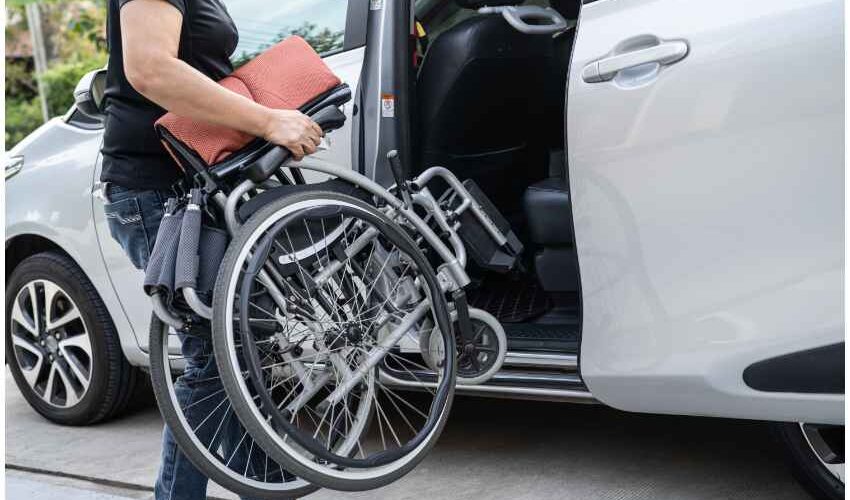
When existing arrangements start causing discomfort or stress, reassessing transport becomes part of protecting health and independence. Small challenges often appear first. Lifting equipment feels harder. Seating causes pain after short journeys. Help from others becomes necessary for trips that once felt simple. Each sign points towards a need for options that better support physical comfort and confidence.
Recognising When Transport No Longer Meets Physical Needs
Physical strain offers one of the clearest signals. Transfers that leave muscles sore or joints stiff suggest a setup that no longer works well. Repeated discomfort can lead people to limit outings, which affects both physical activity and mental wellbeing.
Fatigue also plays a role. Energy levels may drop faster during travel due to awkward seating or a lack of space to adjust posture. Missed appointments or cancelled plans often follow. Confidence takes a hit when travel feels unpredictable or unsafe.
Family members and carers tend to notice changes too. Increased reliance on help for short trips usually indicates that transport no longer matches current mobility needs. Exploring alternatives at that stage can prevent further strain and reduce daily stress.
Early Considerations When Looking at Accessible Transport
Accessible transport options vary widely, so early research helps clarify priorities. Layout, entry method, and passenger seating all influence comfort. Some people remain seated in their wheelchairs during travel, while others prefer transferring to a vehicle seat. Each approach brings different space and safety requirements.
Many households choose to explore wheelchair accessible vehicles once standard cars stop offering reliable access. Reviewing layouts and access features helps people understand what suits their routine before making any commitment.
Ownership choices matter as well. Leasing, buying new, or purchasing used models each carry different responsibilities and costs. Discussions around wheelchair accessible vehicles for sale often focus on long-term suitability rather than short-term fixes. Thinking ahead reduces the risk of needing another change soon after.
Safety, Comfort, and Physical Support While Travelling
Safety goes beyond seatbelts. Secure wheelchair restraints prevent movement during braking or turns, protecting both the wheelchair user and other passengers. Headroom and clear sightlines reduce strain on the neck and shoulders, especially during longer trips.
Comfort deserves equal attention. Smooth entry, stable ramps, and well-positioned handholds lower the risk of injury. Seating that allows posture adjustments supports circulation and reduces pain. For powered wheelchair users, adequate turning space inside the vehicle prevents repeated repositioning.
Consistency builds confidence. Reliable access features make travel more predictable, helping people maintain routines without anxiety. Confidence encourages continued participation in work, social activities, and healthcare appointments.
How Transport Choices Affect Daily Health and Routine
Reliable transport supports regular healthcare access. GP visits, physiotherapy sessions, and hospital appointments become easier to attend when travel feels manageable. Missed appointments often stem from transport barriers rather than a lack of motivation.
Work and education rely on dependable travel, too. Suitable transport allows people to keep commitments without excessive planning or fatigue. Social connection improves when outings feel achievable rather than exhausting.
Mental wellbeing links closely to independence. Travel that supports autonomy reduces feelings of isolation and frustration. Confidence grows when plans depend less on external help and more on reliable systems.
Practical Factors That Often Get Overlooked
Home surroundings influence transport choices more than many expect. Driveway slope affects ramp angle. Limited parking space may restrict vehicle size. Local road conditions can influence suspension needs and ride comfort.
Weather deserves consideration. Rain and cold affect ramp grip and ease of entry. Storage for mobility aids, shopping, or medical equipment also matters. Space constraints inside the vehicle often become clear only after daily use.
Passenger needs extend beyond the wheelchair user. Family members, carers, or children may travel regularly. Seating flexibility ensures everyone remains comfortable and safe.
Cost, Planning, and Ongoing Support
Budget planning when considering accessible transport when mobility decreases involves more than purchase price. Servicing, insurance, and potential repairs all factor into long-term affordability. Reliable maintenance support reduces unexpected disruptions to daily life.
Financial support schemes may help cover costs, depending on eligibility. Professional advice clarifies available options and prevents confusion. Clear planning avoids rushed decisions driven by immediate pressure.
Future needs deserve attention as well. Mobility levels may change over time. Choosing adaptable features reduces the need for frequent replacements. Discussions around wheelchair accessible vehicles for sale often highlight the value of flexibility and proven reliability.
Involving Family and Health Professionals
Shared decision-making eases stress. Family members often assist with research and practical considerations. Open conversations ensure everyone understands priorities and limitations. They may have recognised the signs and are already considering accessible transport when mobility decreases.
Health professionals provide valuable insight. Occupational therapists assess posture, access, and safety. Their guidance helps match transport features to physical needs, reducing discomfort and injury risk.
Respecting personal preferences remains essential. Independence and dignity matter as much as technical suitability. Balanced decisions reflect both professional advice and individual comfort.
Taking the Next Step With Confidence
Transport changes can feel daunting, yet informed choices bring reassurance. Signs that current arrangements no longer work deserve attention rather than delay. Early research, practical planning, and professional input support decisions that protect health and independence.
Taking time to review options and plan ahead helps ensure transport supports wellbeing for years to come.