
Understanding the Difference Between a General Dentist and a Periodontist
When you visit the dentist, you may be referred to a periodontist instead of a general dentist. So, what does a periodontist do? As you will see from this article, they can do everything that a general dentist does, but they also have additional training and expertise in more specialist areas of dental health.
Let’s explore further.
Can Periodontists Do General Dentistry?
Yes, periodontists are fully qualified dentists who can technically perform general dentistry, although they usually focus exclusively on treating gum disease and related conditions.
All periodontists begin their careers by completing dental school and becoming registered dentists. After that, they go on to specialise in periodontology through years of additional training.
This means they retain the skills and qualifications needed for general dental care, but most choose to limit their practice to their area of expertise involving the prevention, diagnosis and treatment of periodontal disease and the placement of dental implants.
What exactly does a periodontist do?
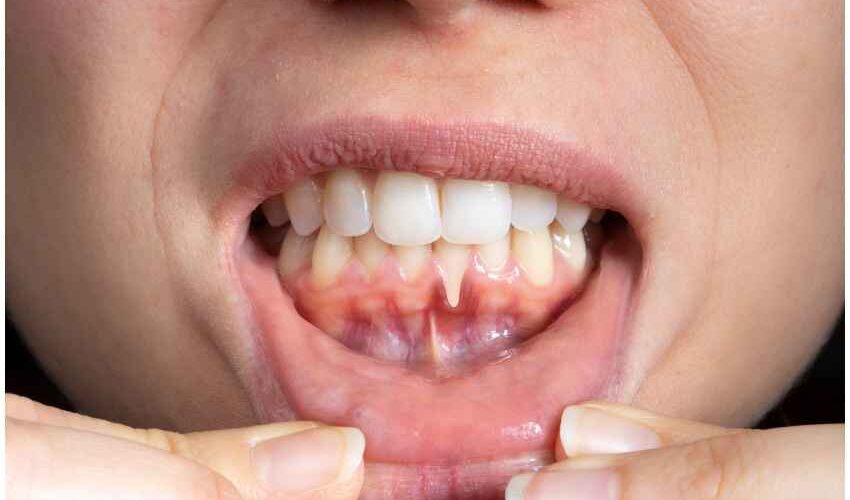
A periodontist is a dental specialist who deals with the structures that support the teeth, namely the gums, jawbone and connective tissues. Their primary focus is on identifying and managing gum disease in all its stages, from gingivitis which is mild inflammation to advanced periodontitis, which can lead to tooth loss if untreated.
They are also highly trained in deep cleaning procedures such as scaling and root planing, and periodontal surgery to reduce pocket depths. As well as this periodontists carry out regenerative procedures to rebuild lost gum and bone tissue, gum grafting and soft tissue correction, plus placing and maintaining dental implants
In addition to hands-on treatment, periodontists often work closely with general dentists and hygienists as part of a broader care team, especially for patients with complex needs.
According to the General Dental Council, just under 5% of registered dentists in the UK are on the specialist register in periodontics, highlighting the niche and highly skilled nature of their work.
Why do most periodontists not do routine dental work?
While periodontists are licensed to perform general dentistry, most choose not to for several reasons. Firstly, their time and training are highly specialised and they are referred patients specifically for complex gum or implant needs that require a level of expertise beyond general practice.
Secondly, periodontists typically work in specialist clinics or hospitals where the focus is on referrals, surgical procedures and advanced therapies. Their working day is built around treating severe gum disease, managing complications and supporting patients with long term periodontal maintenance.
Doing routine procedures like fillings, scale and polish treatments, or dental check-ups would not be the best use of their advanced skills, and these are often better handled by a general dentist or dental hygienist.
Can you still see a periodontist if you do not have severe gum disease?
Yes, you can. Some patients self-refer to a periodontist if they are concerned about their gum health, even if they don’t yet have a diagnosis of periodontitis. Others are referred by their general dentist when early signs of gum disease are detected, or if gum health is not improving despite standard treatments.
It is a good idea to see a periodontist if you have:
- Persistent bleeding gums.
- Loose teeth.
- Receding gums or exposed tooth roots.
- A family history of gum disease.
- Medical conditions that increase your risk.
- Planning or ongoing implant treatment.
Periodontists are experts in diagnosing even subtle signs of gum problems and can provide preventive advice or treatment plans tailored to your individual needs.
What is the difference between a general dentist and a periodontist?
The main difference lies in their training and the type of care they provide.
A general dentist is your primary oral healthcare provider. They are responsible for routine care, such as:
- Dental check-ups.
- X-rays.
- Fillings
- Crowns and bridges.
- Basic gum care.
- Oral hygiene advice.
A periodontist, by contrast, has 3 or more years of specialist training after dental school and focuses solely on gum health, implant procedures and supporting structures around the teeth. While both are dentists, the periodontist has a narrower, more advanced scope of practice that is often surgical or medically complex.
Will I still need a general dentist if I see a periodontist?
Yes, having a periodontist does not replace the need for a general dentist. The two work hand-in-hand to maintain your full oral health.
While the periodontist looks after your gum structures and performs any necessary advanced treatment, your general dentist will still manage your regular exams, fillings, bite assessments and other general dental needs.
In some cases, the periodontist may provide ongoing supportive periodontal therapy, especially if you are at high risk of relapse. However, this will usually be coordinated with your regular dentist to ensure a joined-up approach.
Can periodontists restore teeth too?
While their focus is usually on saving and maintaining the structures around the teeth, periodontists can also be involved in the restorative side of treatment, particularly in implant placement. Some periodontists work closely with restorative dentists to ensure a seamless outcome for patients who need both surgical and aesthetic care.
For example, a periodontist may perform a bone graft or place a dental implant, while a general dentist or prosthodontist fits the crown or bridge on top. This collaborative model ensures both function and appearance are prioritised.
Final thoughts
Periodontists are qualified dentists who can legally perform general dentistry but most choose to specialise exclusively in gum health and implant procedures due to their advanced training. They work alongside general dentists to ensure patients receive complete and expert care, especially when gum disease or complex implant work is involved.
If you are experiencing persistent gum symptoms, planning for dental implants or just want a detailed gum assessment, a periodontist is the ideal person to consult!