
How to Cope if Dysphagia Makes Swallowing Difficult.
For most of us, eating and drinking are some of the most social and enjoyable aspects of life. However, people with dysphagia have problems swallowing certain foods or, in extreme cases, cannot swallow at all. We hope this article providing tips for living with dysphagia can help sufferers overcome issues they have to deal with on a daily basis.
Dysphagia is usually caused by other conditions such as acid reflux or stroke, or by certain medications. When you find it difficult to swallow, it can leave you feeling frustrated, anxious or even isolated. Dysphagia doesn’t just affect your meals; it can impact your confidence, your safety and your daily routines.
Whether you’ve just received a diagnosis or have been managing symptoms for a while, it’s natural to feel overwhelmed. But with the right strategies and support, eating can become safer and more enjoyable again. Small changes can make a big difference, both physically and emotionally.
Seek Expert Help
One of the most helpful steps you can take is to find a certified speech therapist who specialises in swallowing disorders. These professionals don’t just focus on speech, they are also trained to assess your ability to swallow and recommend exercises or techniques that make eating safer.
They might also guide you through swallowing tests or assist you in practising new ways to chew or position your head when eating. By working closely with a therapist, you’ll better understand your own needs and build confidence in managing your condition.
Modify Food Textures
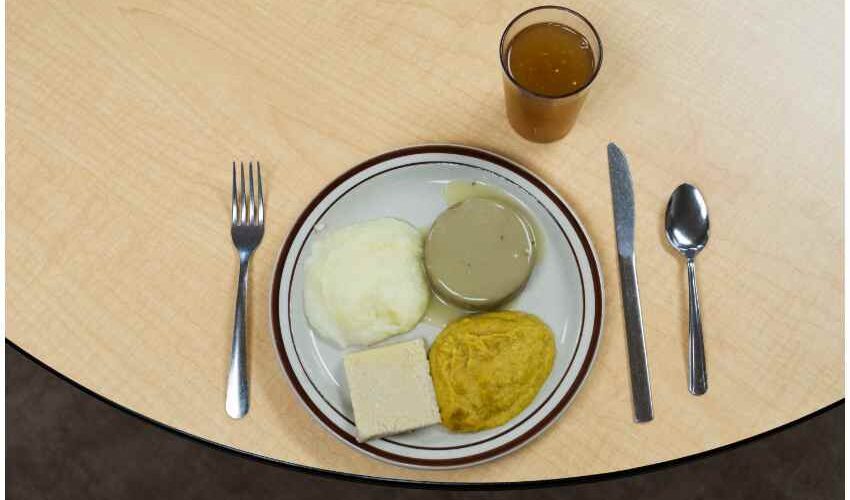
Changing the consistency of your food can make it easier for you to swallow and reduce the risk of choking or aspiration. You might need to soften meals with sauces, mash ingredients more thoroughly or blend certain foods. A small counter blender can prove invaluable!
For times when cooking is difficult or you’re unsure about texture safety, you can purchase Puréed meals designed for dysphagia. These ready-made options remove the guesswork and give you peace of mind that your food is both safe and nutritious.
Take Care of Your Mouth
Keeping your mouth healthy plays a big role in swallowing well. Regular oral care helps prevent infections, manage bacteria and improve sensation. Many people with dysphagia also experience dryness, which can make it harder to swallow.
Understanding the causes of dry mouth, such as certain medications or consuming diuretic drinks, can guide you towards the right solution. For example, staying hydrated, using a humidifier or trying artificial saliva products may provide relief.
Brushing after meals, cleaning dentures and scheduling regular dental check-ups are also essential parts of your routine.
Moving Forward with Confidence
Living with dysphagia comes with its challenges, but you can take practical steps to improve your comfort and safety. The changes outlined above might seem small, but over time they add up – to better health, greater independence and a more positive mealtime experience.
You’re not alone in this journey, and there is always support to help you navigate it with dignity and care. Our tips for living with dysphagia are just a starting point.