
How to Make Your Bathroom Safer and More Accessible for Elderly Family Members
The bathroom, while essential, can also be a challenging space for elderly individuals. Slippery floors, tight spaces, and high steps can increase the risk of falls and accidents, making accessibility a priority for anyone planning ahead or ensuring safer bathrooms for elderly family members.
Whether you’re thinking of accommodating your loved ones, elderly guests, or simply future-proofing your home, this guide offers practical solutions to help you create a safer and more comfortable bathroom environment. Fortunately, there are simple yet effective ways to make your bathroom a safe, functional, and accessible space.
Why Accessibility Matters
For many older adults, mobility issues, diminished strength, and balance concerns can turn everyday tasks, such as showering or using the toilet, into daunting challenges. Slips and falls in the bathroom are one of the most common household accidents for elderly people.
Making small adjustments now can help prevent injuries, promote independence, and improve peace of mind for both caregivers and their loved ones.
A Guide to Making Your Bathroom Safer and Accessible
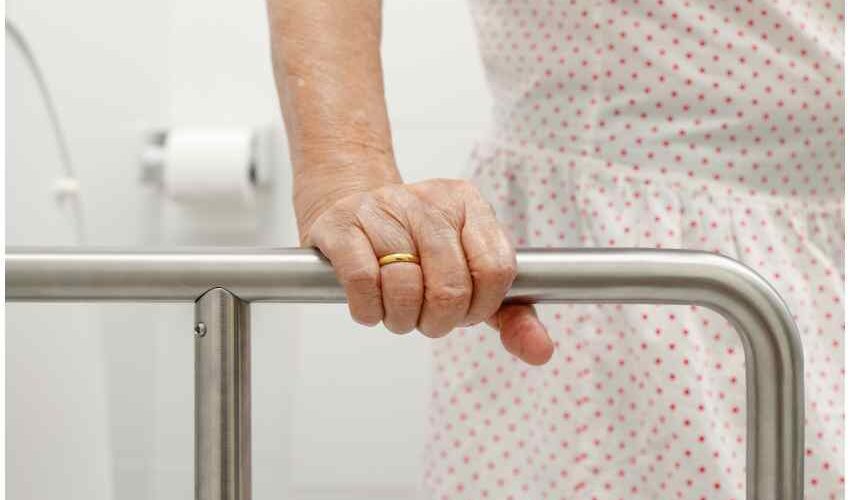
1. Install Grab Rails
Grab rails are one of the most effective tools to help elderly individuals maintain balance and move safely within the bathroom.
● Where to Install:
■ Next to the toilet for ease of sitting and standing.
■ Inside the shower or bath to assist with entry and exit.
■ Near sinks or any area where support may be needed.
● Look for slip-resistant, sturdy options that can comfortably bear weight.
2. Invest in Non-Slip Flooring
Bathroom floors can quickly become slippery, especially after a shower or bath.
● Replace smooth tiles with slip-resistant flooring. Materials like textured vinyl or anti-slip tiles are great options.
● Alternatively, use high-quality non-slip mats, particularly in high-risk areas such as immediately outside the shower or bathtub.
3. Opt for Walk-In Showers or Baths
Replacing a traditional bathtub with a walk-in option is a game-changer for elderly accessibility.
● Walk-In Showers:
■ A walk in shower for elderly individuals creates a level-entry shower to eliminate the trip hazard of stepping over a high rim.
■ Include a fold-down shower seat for comfort and safety.
● Walk-In Baths:
■ A walk in bath for elderly individuals offers a door for easy entry, allowing elderly individuals to safely enjoy a relaxing soak.
Both options remove significant barriers and enhance the ease of use.
4. Replace Traditional Toilets with Comfort-Height Toilets
Standard toilet heights can be challenging for elderly individuals, particularly those with reduced mobility or joint pain.
● Comfort-height toilets are slightly taller, making sitting down and standing up much easier.
● If replacing the entire toilet isn’t feasible, consider installing a raised toilet seat attachment instead.
5. Widen Doorways for Accessibility
If mobility aids like wheelchairs or walkers are needed, ensure doorways are wide enough to accommodate them.
● Standard bathroom doors can often be too narrow, but widening them to at least 34 – 36 inches provides sufficient space.
● Install offset hinges to allow the door to open wider without major structural changes.
6. Incorporate Adjustable and Handheld Fixtures
Elderly individuals often benefit from fixtures that are more flexible and easier to use.
● Use lever-style taps instead of traditional knobs, as they are easier to turn for those with arthritis or weak grip strength.
● Install handheld showerheads that allow users to control the direction and flow of water, ensuring they can bathe comfortably while seated or standing.
7. Include Adequate Lighting
Proper lighting can significantly improve safety in the bathroom.
● Use overhead lighting that eliminates shadows and brightens every corner.
● Install motion-activated night lights to guide elderly family members to and from the bathroom during the night.
8. Keep Necessities Within Reach
To minimise the need to stretch or bend dangerously, ensure all bathroom essentials are within easy reach.
● Use storage solutions like baskets, shower caddies, or wall-mounted shelves at accessible heights.
● Place towels, toiletries, and other items where they can be grabbed effortlessly.
Future-Proofing Your Bathroom
Updating and ensuring accessibile and safer bathrooms for elderly family members doesn’t just benefit elderly family members; it also adds long-term value to your home.
These changes not only make it safer for aging family members to use but also prepare the space for potential future needs while maintaining a stylish, functional look. Options like modern grab rails, sleek walk-in showers, and elegant slip-resistant flooring ensure your bathroom remains visually appealing while meeting accessibility requirements.
Final Thoughts
Making your bathroom safe and accessible for elderly family members is a meaningful investment in safety, comfort, and peace of mind. Whether it’s the addition of practical grab rails or the installation of a stylish walk-in shower, these changes have the potential to improve the quality of life for those you love.
If you’re unsure about where to start, consider consulting a professional bathroom designer or occupational therapist to help you create a tailored, accessible bathroom. Small changes can make a big difference, so don’t wait to create a space that’s not just functional but also welcoming for everyone.