
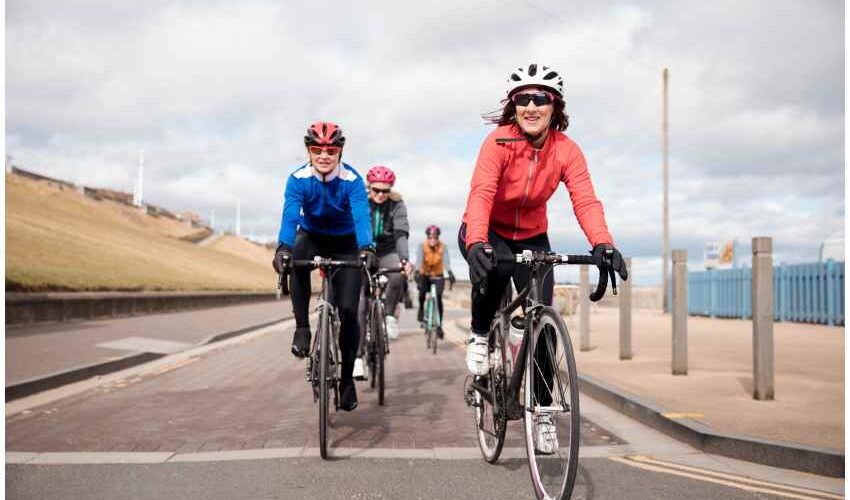
Road cycling for fitness: Tips to improve your performance
Road cycling has been a British pastime for centuries. There is nothing better than heading out on a Sunday morning for a leisurely ride to enjoy some of the country’s beautiful scenery. And of course, the fitness benefits of road cycling are well known.
Not only is road cycling great for your physical health, but your mental health benefits too. This is true for both beginners and experienced riders. Yet as with most physical activities, there comes a time when you may want to improve your performance to get even more fitness benefits out of your road cycling forays.
So, here are some tips to improve your performance without losing the love of road cycling.
What are the fitness benefits of road cycling?
Perhaps the most obvious benefit of life on two wheels is the cardiovascular improvements you can see. Cycling gets your heart, lungs and circulation working hard, which helps to improve their function over time.
Being active in any capacity can help with weight loss if that is your goal. Cycling works a lot of your lower body and core muscles, helping to tone as you drop the pounds.
If you are worried about your joints, cycling is considered low-impact. This is because the saddle holds most of your weight, freeing your legs and arms up for working out.
Getting started
For beginners to the sport, there is a little more to consider than grabbing your bike and heading out – although this is a good start!
When it comes to choosing the right road bike you need to make sure you get the right size. Each bike brand will have a guide for riders which is usually based on height or leg length. This is to help you feel comfortable on the bike whether you are in motion or stopped at a traffic light.
As you will be heading out on the road, a cycling helmet is heavily suggested by the Highway Code. Although accidents are uncommon, having a safety hat to protect your head will prevent serious injuries. Similarly, consider other cycling specific gear such as padded gloves and cycling glasses to keep you safe when cycling.
Advanced techniques for better performance
Posture is key for cycling to avoid back and neck strain. When cycling, your back should be relaxed and in a fairly straight line between your hips and shoulders. Try to avoid arching over the handlebars as this can hurt in the long run. It might be the position you see in major cycling competitions, but the benefits of road cycling, including not doing yourself any harm by over-exertion, will not be realised by trying to emulate elite athletes!
Your knees can also suffer from an improper position. Make sure your knees are staying over the ball of your foot when you are pedalling. This prevents them from bowing outwards and causing pain.
The proper food before, during and after a cycle is essential for keeping you powering onward. Generally speaking, you need a decent intake of carbs and protein as these will help to keep your energy levels up. Make sure you have snacks for during a ride, especially if it is a long distance. Energy gels, granola bars and packs of nuts are all good choices. Remember to have plenty of fluids too!
Joining a cycling community
Part of the pleasure of taking up any new sport is the community that you become a part of. Alternatively, one of the great things about road cycling is that it can be a solo sport if you want to zone out or listen to a podcast. Or you can head out with friends and chat as you go.
But do consider joining a local cycling club as that can open up new opportunities and friendships that you may not have had access to before, making your life healthier in mind bosy and soul!