
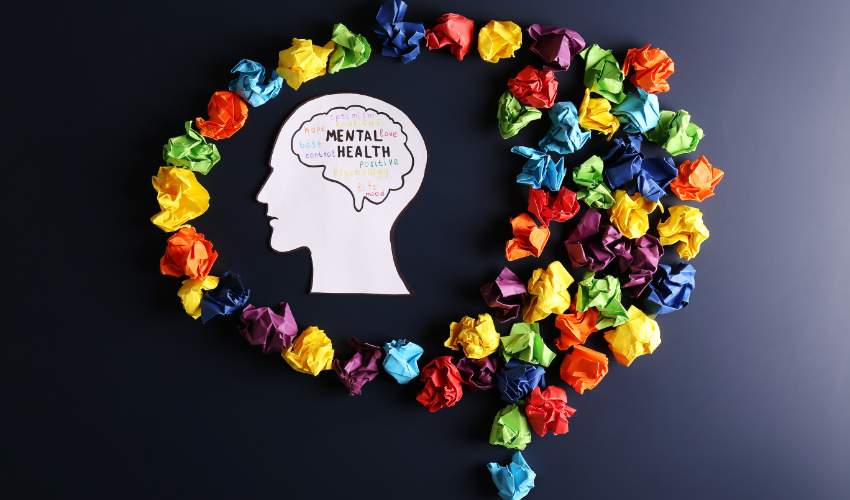
How Small Steps Can Help You Promote Mental Health In Your Everyday Life
Everyday habits have the powerful potential to enhance mental wellbeing. Did you know that small actions to enhance mental wellbeing, consistently applied, can create a supportive environment for mental health, both for yourself and those around you.
Let’s explore some manageable steps that can help you promote mental health, strengthen connections, and support a more balanced approach to daily challenges.
Starting the Day with a Positive Mindset
Creating a positive start to your day sets a helpful tone for what follows. Focus on beginning your morning with an activity that reinforces a calm, optimistic mindset.
A few minutes of light stretching, listening to calming music, or simply taking a moment to breathe deeply can help cultivate positivity. Establishing a ritual like this strengthens a sense of control and brings a small, consistent moment of peace to each morning. Over time, it reinforces a constructive perspective, making it easier to manage stress and stay grounded.
You might also consider writing down a few positive intentions or affirmations as you start your day. Something as simple as “I am capable” or “Today, I will focus on what I can control” can set a tone of self-compassion and resilience.
By including small affirmations, you can gradually train your mind to focus on positive thoughts, which can help ease stress and improve overall mental wellbeing.
Incorporating Mindfulness into Your Routine
Mindfulness can be integrated into even the busiest schedules, bringing mental clarity and balance. Focus on completing routine tasks with attention.
When drinking a cup of tea or walking to work, for example, try to fully experience these moments—notice the sounds, scents, and sensations. This gentle habit of noticing small details helps keep your mind engaged in the present, reduces stress, and improves mental resilience.
Mindfulness does not require much time, yet practising it regularly can support a steady, balanced outlook throughout the day.
Consider practising a brief mindfulness exercise during transitions in your day – between meetings, for example, or while preparing meals. Taking a moment to focus on your breath or notice your surroundings can act as a reset, helping you manage stress and stay present.
Even five minutes spent practising mindfulness has been shown to support mental resilience and can make everyday life feel more manageable.
Using Visual Reminders to Support Mental Health Goals
Visual reminders can serve as positive reinforcement for your mental health journey. Displaying images or phrases that inspire calmness, gratitude, or motivation on your workspace or home walls can be encouraging. A well-chosen visual, like a mental health poster, serves as a gentle nudge towards positivity and can remind you to take a breath during challenging moments.
These reminders act as simple tools for staying mindful of your mental health goals and maintaining focus, even when the day grows busy.
In your home or workspace, create a mental health corner where you place inspiring posters, plants, or meaningful objects. It doesn’t need to be large – just a small space that reminds you to pause and breathe. Such an area can act as a daily motivator to keep your mental health a priority, even on busy days.
Encouraging Open Conversations About Mental Wellbeing
Talking openly about mental health normalises the topic and creates a supportive environment. Approach discussions with compassion and respect, allowing others to share their thoughts without judgment.
Listening carefully encourages trust and provides others with the freedom to express their feelings. This approach benefits everyone involved, as open conversations build stronger connections and a deeper understanding of each other’s mental wellbeing. You might even find that friends or colleagues begin to engage in similar discussions, fostering a supportive, health-conscious circle.
Regular check-ins with family or friends offer an ideal time to discuss mental health. These conversations don’t need to be in-depth every time—even small acknowledgements can make a difference.
Opening up about mental health shows that it’s a normal, valued part of everyday life, which, in turn, helps remove the stigma that many people feel.
Simple Breathing and Relaxation Techniques for Daily Balance
Breathing exercises offer immediate relief from stress and are easy to practise anywhere. Techniques like deep belly breathing or slowly inhaling through the nose and exhaling through the mouth bring calmness and restore focus.
Even a few minutes of focused breathing daily can significantly improve stress management and mental clarity. These techniques serve as effective, quick tools for regaining balance and can be used whenever anxiety or tension arises. They’re simple, effective, and easy to incorporate into your day.
For a quick exercise, try the 4-7-8 breathing method. Breathe in for four counts, hold for seven, and exhale for eight. This pattern helps slow your heart rate and promotes a sense of calm.
Breathing exercises like these are highly adaptable; you can practise them before a stressful event, during a break, or just before bedtime. Regularly engaging in these exercises helps train your mind and body to respond to stress with calmness and clarity.
Small, consistent actions to enhance mental wellbeing make a substantial difference in promoting mental health in everyday life. Whether through mindful practices, open discussions, or supportive resources, these steps are easy to implement and bring valuable benefits.