
Art Plays a Crucial Role in Fostering Community Wellness
Art has always been a powerful tool for expressing emotions, ideas and experiences. Taking time for yourself to be able to express how you are feeling in a relaxed, meditative way has countless benefits, and many people find a great sense of pride in creating beautiful pieces of art for their own enjoyment. Additionally, improving community wellness through art is being increasingly embraced.
But beyond its aesthetic value, art plays a crucial role in fostering community wellness. By engaging in community art projects, individuals can connect with others, improve their mental health and inspire social change.
Building Community
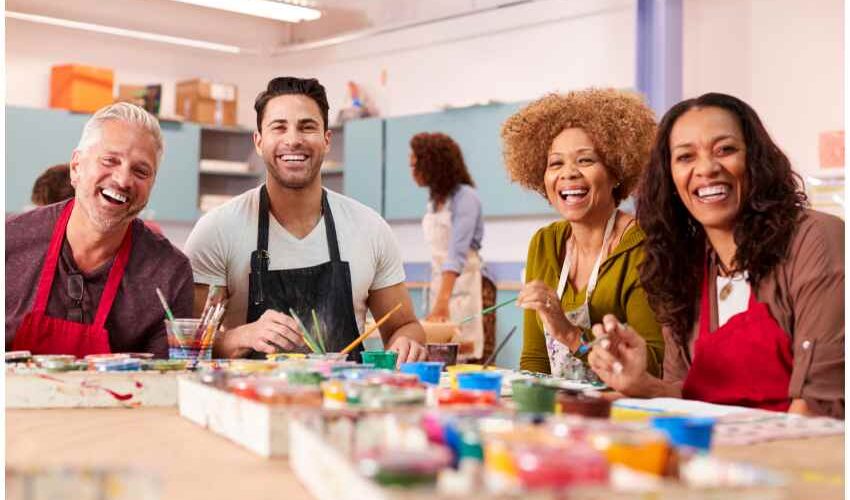
Community art projects provide a platform for people from diverse backgrounds to come together and share their creativity. These projects can range from large-scale murals to small-scale workshops, and they offer opportunities for individuals to build relationships and develop a sense of purpose and belonging.
By participating in community art projects, individuals can combat loneliness and improve their overall quality of life.
Promoting Mental Health
Engaging in artistic activities has been shown to have numerous benefits for mental health. Studies have found that art can reduce stress, anxiety and depression, while improving self-esteem and cognitive function.
Community art projects offer a variety of opportunities for individuals to engage in creative activities. Whether it’s painting, drawing, sculpting or working with art paper and card, there is something for everyone to enjoy.
By participating in these projects, individuals can develop new skills, boost their confidence and improve their overall wellbeing in a fun and comfortable environment.
A Tool for Collective Healing
Art can be a powerful tool for processing trauma and promoting healing. Community art projects can provide a safe and supportive space for individuals to express their emotions, share their stories and find solace in the creative process.
The use of art as a therapeutic tool has gained increasing recognition in recent years. For example, the Arts Council England has funded numerous projects that use art to support the mental health and wellbeing of vulnerable communities.
These initiatives have demonstrated the effectiveness of art in helping individuals to cope with adversity and build resilience.
Social Prescribing
In 2019, NHS England acknowledged the importance of social prescribing to support both physical and mental health conditions. Social prescribing means using alternative activities, often community-based, to help people have better health outcomes including reducing dependency on medications such as anti-depressants.
Across the country, many GP surgeries now have social prescribing link workers who can signpost patients to appropriate resources, with community wellness through art projects often being one of the options available.
Approaches may vary according to different surgeries and what is available locally, but if you know of a local art group with a wellbeing focus, you can always ask your GP or link worker for a referral if you think this might help you.
Inspiring Social Change
Art can be a powerful tool for social change. By raising awareness of important issues, challenging stereotypes and inspiring action, art can help to create a more just and equitable society.
Community art projects can be used to address a wide range of social issues, from poverty and inequality to environmental degradation and discrimination.
By working together to create art that reflects their shared values and experiences, many communities have come together across the country to showcase their support for certain social issues or political activism through community art showcases.
By taking in such activities, individuals can empower themselves and their communities to make a difference and stand up against the things they are opposed to in their community and wider society.