
Combat Water Shortages by Installing Water Butts
Water scarcity is becoming an increasingly pressing issue in many parts of the world, including the United Kingdom. With the threat of climate change and the growing demands of an increasing population, it is crucial to find sustainable solutions to conserve water. And as individuals, installing water butts to combat water shortages is something we should all be considering.
In this article, we will explore how installing water butts can help combat water shortages, promote environmental sustainability, and discuss the importance of gutter cleaning and maintenance in maximising their efficiency.
1. Understanding Water Scarcity in the UK
Before delving into the benefits of installing water butts, it is important to understand the current water scarcity situation in the UK. Despite its reputation for rain, parts of the country face water shortages due to factors such as population growth, changing weather patterns, and ageing infrastructure. Essex, for example, is know as one of the driest counties in the UK.
The increasing demand for water, coupled with limited resources, makes it crucial to find ways to conserve this precious resource. And naturally, if there is a drought and subsequent hosepipe ban, having water butts of rain water is an absolute blessing!
2. The Role of Water Butts in Water Conservation
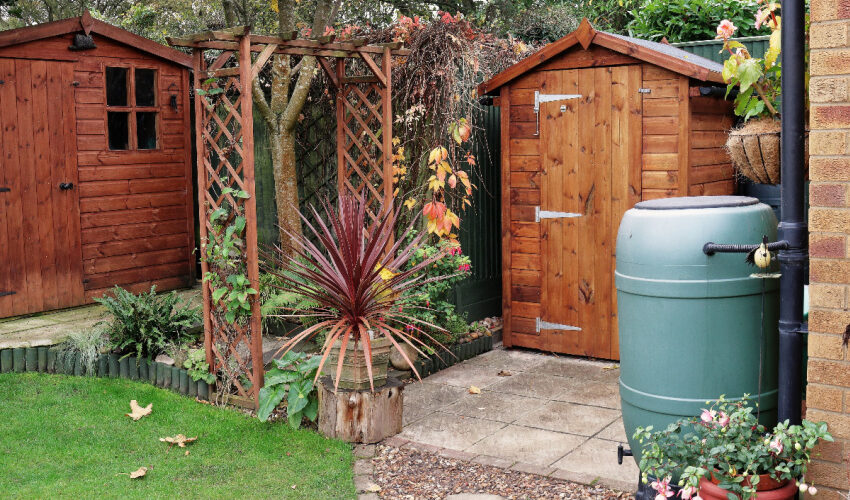
Water butts, also known as rainwater harvesting systems, are containers used to collect and store rainwater. They are typically installed beneath gutter downpipes, allowing rainwater to be collected from the roof and stored for later use. By installing water butts, homeowners can reduce their reliance on mains water for activities such as gardening and car washing.
Water butts can also be connected to downpipes from bath and sinks and this ‘grey water’ can be used perfectly safely for watering the garden providing strong chemicals are not used for cleaning etc.
3. Benefits of Installing Water Butts
3.1. Water Conservation
One of the primary benefits of installing water butts is water conservation. By collecting rainwater, homeowners can reduce their dependence on mains water, particularly during dry periods or hosepipe bans. This helps to alleviate pressure on water resources and ensures a more sustainable water supply.
3.2. Environmental Sustainability
Water butts promote environmental sustainability by reducing the need for energy-intensive water treatment processes. By using rainwater for non-potable purposes, homeowners can decrease their carbon footprint and contribute to a more eco-friendly lifestyle.
We might not think of water in terms of having a carbon footprint, but if you consider the infrastructure involved with supplying water to your home, it become apparent that there is a big carbon impact.
3.3. Cost Savings
Installing water butts can also lead to significant cost savings. By using rainwater for outdoor activities, homeowners can reduce their water bills, especially during peak demand periods when prices may increase. Additionally, the initial investment in water butt installation is relatively low and can be recouped over time through reduced water consumption.
3.4. Plant Health and Garden Maintenance
Rainwater collected in water butts is free from chlorine and other chemicals commonly found in tap water. This makes it ideal for watering plants, as it provides a more natural and beneficial source of hydration. Collecting rainwater also reduces the risk of waterlogging and soil erosion, promoting healthier plant growth and minimising the need for additional fertilizers.
4. Gutter Cleaning and Maintenance
To ensure the optimal functioning of water butts, it is essential to prioritise gutter cleaning and regular maintenance. Over time, gutters can accumulate debris such as leaves, twigs, and moss, which can obstruct the flow of rainwater. Regular cleaning and inspection of gutters will prevent blockages and ensure a smooth flow of water into the water butt.
4.1. Clearing Debris
Regularly removing debris from gutters is crucial to prevent blockages. This can be done using a ladder, gloves, and a scoop or trowel to manually clear away any accumulated leaves, twigs, or other debris. It is advisable to undertake this task during dry weather to minimise the risk of slipping.
4.2. Flushing the Gutters
After removing visible debris, it is important to flush the gutters with water to remove any remaining dirt or small particles. This can be done using a hosepipe or a bucket of water. Pay particular attention to downpipes, ensuring that they are clear of any obstructions.
4.3. Inspecting for Damage
Regular gutter cleaning also provides an opportunity to inspect the gutters for any signs of damage or leaks. Look for cracks, loose joints, or sagging sections that may need repair or replacement. Timely maintenance will help to prevent water wastage and potential damage to the property’s foundation.
5. Conclusion
Installing water butts is a simple yet effective way to combat water shortages, promote environmental sustainability, and reduce water bills. By collecting and utilising rainwater and grey water from washing and showering, homeowners can contribute to water conservation efforts and minimise their ecological footprint.
However, to maximise the efficiency of water butts, regular gutter cleaning and maintenance are essential. And if using grey water, it’s important not to use strong chemicals when cleaning baths, shoers and sinks.
By keeping gutters clear of debris and ensuring their proper functioning, homeowners can ensure a continuous supply of clean rainwater for various purposes. Embracing these practices will not only benefit individuals but also contribute to a more sustainable and water-resilient future for the UK.