
How Growing Your Own Food Encourages Healthy Eating
Eating more fresh fruit and vegetables sounds easy, but the pace of modern life means we’re often too busy to plan a healthy meal. One answer is to grow some of your own produce – you get fresh ingredients within easy reach and food prep becomes a little more interesting. And don’t worry about aiming for self-sufficiency. We are going to look at an easy start to growing your own! From a pot of herbs to a larger vegetable patch, read on for some practical ways that home growing can encourage healthier eating habits.
Pick Fresh Ingredients for Dinner
When fresh ingredients are just outside the back door, it’s much easier to find ways to use them. Just pick a handful of cherry tomatoes for lunch, snip a few chives over scrambled eggs or grab some lettuce leaves for a sandwich. There’s no need to watch yet another bag of salad slowly wilt in the fridge – you can harvest what you need.
You also get a closer connection to its journey from plant to plate, and that is particularly good for children to appreciate.
Grow the Fruits and Vegetables You’ll Actually Want to Eat
If you and your family have never liked courgettes, there’s little point in producing mountains of them. Do avoid being sucked into the latest food craze on social media. Stuffed courgette flowers may look beautiful, but if it’s not your thing strike the plant off your list of must haves!
Instead, start with ingredients that you already buy regularly. Strawberries grow very well in containers. Herbs such as basil and parsley don’t require a huge amount of space. Tomatoes are another delicious choice, especially if you pick them ripe and use them immediately.
Turn Gardening Into a Daily Habit
Food growing doesn’t need to become a weekend-only project. A polytunnel greenhouse can provide a dedicated place for different kinds of plants and also expand your garden’s available growing space.
Polytunnels don’t need to be huge. They typically start from around 6ft width. Polythene cloches which can be much smaller for those with less space.
But back to basics. If your space is really limited, many vegetables grow extremely well in pots. And if you have a few flower beds, the cottage garden trend of growing veg and flowers together can produce superb results.
The process of checking seedlings before breakfast or picking tomatoes while deciding what to cook can become part of the day. Plus, when you harvest regularly, it encourages you to plan meals around what’s ready rather than letting produce go to waste.
Turn Gardening Into a Family Activity
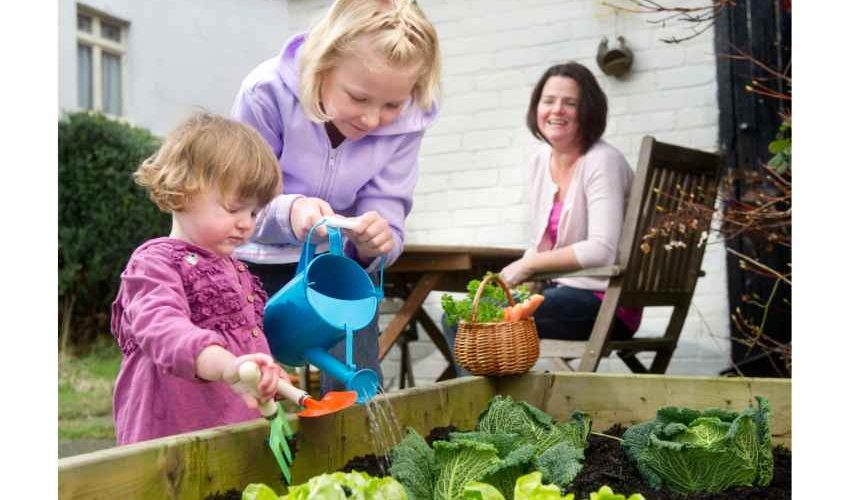
Kids can get involved too. Give them a small patch of the garden or a container and let them choose something to grow and get their hands dirty.
Fast, colourful crops are more likely to hold a child’ interest. They can also sow radish seeds, hunt for ripe strawberries or count tomatoes as they pick them. If your child usually pushes the vegetables around the plate, they may be more curious after spending weeks watching them grow.
Getting your children involved in growing your own fruit and veg is also a good way of ensure they get out in the fresh air and encouraging a better connection with nature. And it is also a good time to talk about food miles and introduce them to other environmental issues.
Bring Fresh Food Into Everyday Life
Home growing doesn’t have to provide every vegetable you eat in order to make a big difference.
Embrace the concept of an easy start to growing your own with a few foods your household enjoys. Involve everyone and make picking produce part of everyday cooking. Healthy ingredients will soon stop feel like something you must eat and more like something you’re looking forward to harvesting.
A Final Tip.
Don’t be despondent if crops are unsuccessful. Even experienced gardeners have failures. It is all part of the learning process which includes fully appreciating that nature is a powerful force. Unpredictable weather and pests are frequent and expected challenges for all gardeners.