
See Life Clearly: Simple Ways to Protect Your Eye Health and Wellbeing as You Age
As you get older, natural changes happen in the eyes, which may include an increase in floaters, dry eyes, and difficulty focusing on close-up objects. Because of these changes, the risk of developing certain eye conditions such as glaucoma, age-related macular degeneration, and cataracts can increase. While you can’t entirely prevent eye problems, there are things you can do protect your eye health as you age and maintain your quality of life.
Simple Ways to Protect Your Eye Health as You Age
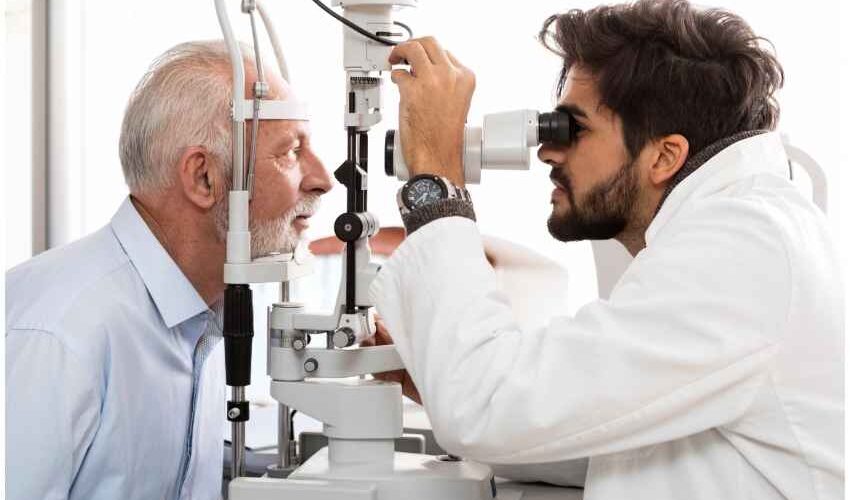
Have Regular Eye Tests
While eye tests can find vision changes, they’re also important for detecting eye conditions. Certain eye conditions, such as glaucoma and age-related macular degeneration, don’t always show symptoms in the early stages, but they can be picked up on a routine eye test. By catching them early, steps can be taken to preserve vision and prevent further damage.
Protect Your Eyes From UV Exposure
Prolonged exposure to UV radiation can damage delicate tissues in the eye, such as the lens and retina, which can increase the risk of serious eye conditions. When choosing sunglasses, look for a UV400 mark and a CE mark on the frame. A CE mark indicates compliance with European safety and quality standards, and a UV400 mark means it blocks harmful UVA and UVB rays.
Manage Screentime
If you’re using a screen for a long time, the 20-20–20 rule can reduce eye strain, headaches, and dry eyes. This involves looking away from your screen every 20 minutes, focusing on an object at least 20 feet away, and looking at it for at least 20 seconds. At the same time, avoid keeping your screen too close to your face, as this can make your eyes work harder and cause eye strain.
Look After Your Overall Health
By taking steps to look after your overall health, you can also support eye health.
- Stopping smoking: The chemicals found in tobacco smoke can damage blood vessels and reduce oxygen supply. This can affect tissues in the eyes, cause changes in vision, and increase the risk of certain eye conditions. By stopping smoking, you can help lower these risks.
- Eating a balanced diet: The eyes need specific nutrients to function properly, such as lutein, vitamin A, and omega-3 fatty acids. By eating a balanced diet, you can help support your eye health.
- Managing health conditions: Certain conditions, such as diabetes and high blood pressure, can affect eye health. By managing them, you can help reduce the risk of vision problems and certain eye conditions.
Looking Out for Signs
If you notice changes in your vision, it’s important to see an optician or GP right away. Vision-related symptoms that appear suddenly, like flashes of light, shadows, blurry vision, and eye pain, can be signs of serious eye conditions. If you experience these, it’s important to seek urgent medical attention. Getting help means any issues can be dealt with as early as possible to preserve vision.
How Looking After Your Eyes Can Support Your Wellbeing
Blurred vision or certain eye conditions can make it harder to carry out daily activities like reading and driving at night. By looking after your eyes, you can keep doing things safely and independently. Regularly attending eye tests can also provide peace of mind that your eyes are healthy and your prescription is up to date.
Final Thoughts
Eye conditions like glaucoma and age-related macular degeneration are common, but many people don’t know much about them. Attending regular eye tests and knowing what changes to look out for can help you stay on top of your eye health. By following the simple tips in this article to protect your eye health as you age, you can take steps to remain independent and maintain a good quality of life.