
How Gut Bacteria Influences Mental Health and Mood
The connection between your digestive system and brain extends far beyond the occasional “butterflies in your stomach” or stress-induced digestive upset. Emerging research reveals a sophisticated, bidirectional communication network linking the trillions of microorganisms in your gut with your brain’s emotional and cognitive centres. The impact of the gut-brain axis is astonishing. It influences mood regulation, stress responses, anxiety levels, and even cognitive function in ways scientists are only beginning to understand.
For individuals struggling with depression, anxiety, or unexplained mood disturbances despite conventional treatments, exploring this hidden connection between gut health and mental wellbeing may offer surprising insights and potential pathways to improvement.
The Gut-Brain Axis Explained
Your gut and brain communicate constantly through multiple pathways, creating what researchers call the gut-brain axis. This communication network operates through several mechanisms working in concert.
The vagus nerve serves as a direct physical connection, transmitting signals bidirectionally between your digestive system and brain. Approximately 80-90% of vagus nerve fibres carry information from gut to brain rather than the reverse, highlighting how profoundly gut signals influence brain function.
Neurotransmitter production occurs substantially in your gut. Remarkably, approximately 90% of serotonin—the neurotransmitter crucially involved in mood regulation—is produced in the digestive tract. Gut bacteria directly influence neurotransmitter synthesis, affecting the chemical messengers that regulate emotions, sleep, and appetite.
Immune system interactions represent another crucial pathway. Gut bacteria profoundly influence immune function, and immune signalling molecules called cytokines affect brain function and mood. Chronic low-grade inflammation originating in the gut can trigger or worsen depression and anxiety through these immune-mediated pathways.
Metabolite production by gut bacteria creates compounds that enter circulation and reach the brain, influencing neural function. Short-chain fatty acids, for example, possess anti-inflammatory properties and support blood-brain barrier integrity.
How Gut Bacteria Affect Mood and Mental Health
The composition and diversity of your gut microbiome directly influence mental wellbeing through multiple mechanisms.
Neurotransmitter Synthesis and Regulation
Specific bacterial species produce or influence neurotransmitters including serotonin, dopamine, GABA (gamma-aminobutyric acid), and norepinephrine. Lactobacillus and Bifidobacterium species, for instance, produce GABA—an inhibitory neurotransmitter promoting calmness and reducing anxiety.
When gut bacteria populations become imbalanced—a condition called dysbiosis—neurotransmitter production can be disrupted. This may contribute to mood disturbances, particularly when combined with other risk factors for depression or anxiety.
Inflammation and Its Mental Health Impact
Certain gut bacteria promote inflammation, whilst others produce anti-inflammatory compounds. Chronic low-grade inflammation driven by gut dysbiosis has been implicated in depression, anxiety, and cognitive decline.
Inflammatory cytokines can cross the blood-brain barrier, directly affecting brain regions involved in mood regulation including the hippocampus and prefrontal cortex. This inflammatory pathway helps explain why people with inflammatory bowel diseases experience depression at higher rates than the general population.
Stress Response Modulation
Your gut microbiome and the amazing impact of the gut-brain axis influences how your body responds to stress. Research demonstrates that specific bacterial strains can dampen stress hormone production and modify anxiety-like behaviours in animal studies. Conversely, antibiotic-induced microbiome disruption often increases anxiety responses.
The hypothalamic-pituitary-adrenal (HPA) axis—your body’s central stress response system—is modulated by gut bacteria. Individuals with chronic stress often show altered gut microbiome composition, creating a bidirectional relationship where stress affects gut bacteria and gut bacteria influence stress resilience.
Signs Your Gut May Be Affecting Your Mental Health
Recognising patterns suggesting gut involvement in mood disturbances helps identify when addressing gut health might support mental wellbeing.
Mood issues alongside digestive symptoms—experiencing depression or anxiety concurrent with bloating, irregular bowel movements, or abdominal discomfort suggests potential gut-brain axis involvement.
Mental health changes following antibiotics or gastrointestinal infections may indicate microbiome disruption affecting mood regulation.
Poor response to conventional mental health treatments sometimes reflects underlying biological factors including gut dysfunction that standard approaches don’t address.
Sensitivity to dietary changes—noticing mood shifts following specific foods or dietary patterns hints at gut-mediated effects on mental state.
For individuals experiencing persistent mood difficulties with potential gut connections, comprehensive assessment through microbiome testing can provide insights into whether specific microbial imbalances might be contributing to symptoms.
Supporting Mental Health Through Gut Health
Optimising gut health represents a valuable complement to conventional mental health treatment, not a replacement. Several evidence-based approaches support beneficial gut bacteria whilst potentially improving mood.
Dietary Strategies
Increase prebiotic fibre from diverse plant sources including vegetables, fruits, legumes, nuts, and whole grains. These fibres feed beneficial bacteria, supporting their growth and metabolic activity. Aim for 30 different plant foods weekly to maximise microbial diversity.
Incorporate fermented foods including yoghurt, kefir, sauerkraut, kimchi, and kombucha. These provide live beneficial bacteria whilst supporting overall gut health. Regular consumption—even small amounts daily—creates measurable microbiome improvements.
Reduce ultra-processed foods and added sugars, which can promote inflammation and feed less beneficial bacterial species. Processed foods often lack the fibre and nutrients supporting healthy gut bacteria whereas wholefoods not only provide increased fibre and nutrients, but also help you feel fuller for longer, thus helping you avoid the snacking temptation.
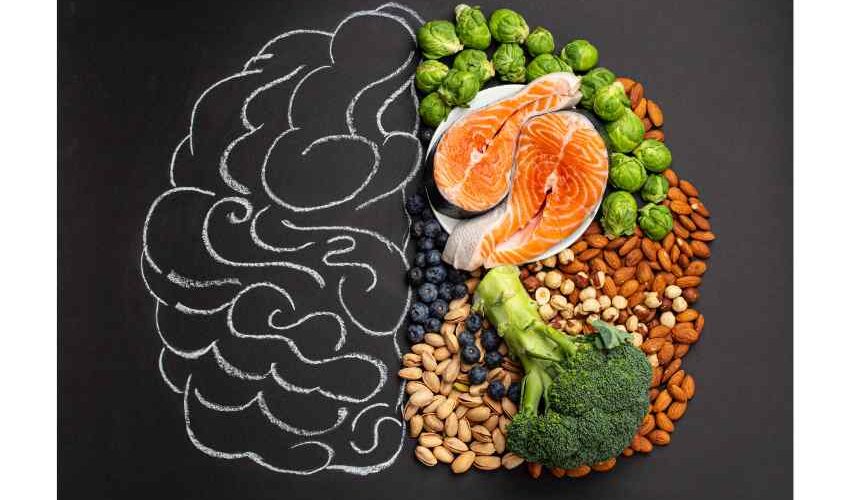
Consider omega-3 fatty acids from oily fish, flaxseeds, or walnuts. These anti-inflammatory fats support both brain function directly and healthy gut bacteria composition.
Lifestyle Factors
Manage stress through proven techniques including meditation, yoga, deep breathing exercises, or time in nature. Professor Jules Pretty explains how even just 5-minutes in nature can have a posivie impact. Since stress negatively impacts gut bacteria, stress reduction supports both microbiome health and mental wellbeing directly.
Prioritise sleep quality—gut bacteria and sleep influence each other bidirectionally. Poor sleep disrupts gut bacteria, whilst gut dysbiosis can impair sleep quality. Aiming for 7-9 hours nightly supports both mental health and gut health.
Regular physical activity benefits gut microbiome diversity whilst providing well-established mental health benefits. Even moderate exercise like brisk walking creates positive effects.
Probiotic Supplementation
Specific probiotic strains show promise for mental health support. Lactobacillus helveticus and Bifidobacterium longum, for example, have demonstrated anxiety-reducing effects in clinical studies. However, probiotic selection ideally follows professional guidance rather than random supplementation, as strain specificity matters significantly.
Integrating Gut Health into Mental Health Care
Addressing gut health shouldn’t replace evidence-based mental health treatments including therapy and medication when appropriate. Rather, it represents an additional avenue potentially enhancing outcomes, particularly for individuals not responding optimally to conventional approaches alone.
Mental health care increasingly recognises that psychological, biological, and lifestyle factors interact complexly. Supporting gut health addresses one biological contributor whilst complementing psychological interventions and, when necessary, psychiatric medications.
Working with practitioners who understand both mental health and gut health, and recognise the impact of the gut-brain axis, enables comprehensive approaches addressing multiple contributing factors simultaneously rather than focusing narrowly on single aspects.
FAQ Section
Can improving gut health cure depression or anxiety?
Gut health optimisation may improve symptoms for some individuals, particularly when gut dysfunction contributes to mood disturbances. However, it’s not a cure-all. Mental health conditions involve complex interactions of genetics, environment, life experiences, and biology. Gut health represents one piece of a larger puzzle. Always work with mental health professionals for comprehensive care.
How long before gut health improvements affect mood?
Timeline varies considerably. Some people notice mood improvements within weeks of dietary changes or probiotic supplementation, whilst others require several months. Patience and consistency prove essential—gut bacteria populations shift gradually, and their effects on mood reflect accumulated changes rather than immediate transformations.
Should I stop antidepressants to focus on gut health instead?
Absolutely not without medical supervision. Never discontinue prescribed psychiatric medications without consulting your prescriber. Gut health optimisation can complement medication, potentially enhancing effectiveness or, over time, enabling dose reductions under medical guidance. But abrupt medication discontinuation risks serious consequences including withdrawal effects and symptom recurrence.
Are probiotics as effective as antidepressants?
Current evidence doesn’t support probiotics as replacements for antidepressants in moderate to severe depression. Some research suggests specific probiotic strains may provide modest benefits for mild mood symptoms or as adjuncts to standard treatment. However, antidepressants remain first-line treatment for clinical depression. Probiotics might complement conventional treatment but shouldn’t replace it.
Can gut health explain all mental health issues?
No. Whilst gut-brain axis research is fascinating and revealing important connections, mental health involves multiple factors including genetics, trauma, life circumstances, neurochemistry, and social support. Gut health represents one contributor, not the sole explanation. Comprehensive mental health care addresses multiple dimensions rather than attributing everything to single causes.
Conclusion
The gut-brain connection represents one of the most exciting frontiers in both neuroscience and gastroenterology, revealing how profoundly our internal microbial ecosystem influences thoughts, emotions, and mental wellbeing. Whilst we’re still unravelling the complexities of these relationships, existing evidence supports gut health as a meaningful contributor to mental health for many individuals.
Simple, evidence-based strategies—diverse plant-based nutrition, fermented foods, stress management, quality sleep, and regular movement—support both gut and mental health simultaneously. For those struggling with persistent mood difficulties, exploring whether gut health might play a role opens additional avenues for support alongside conventional mental health care.
Your gut and brain evolved to work together. Honouring that connection through integrated approaches to wellbeing makes both scientific and practical sense.