
Natural Swimming Ponds – Benefits, Costs, Design & Maintenance Guide
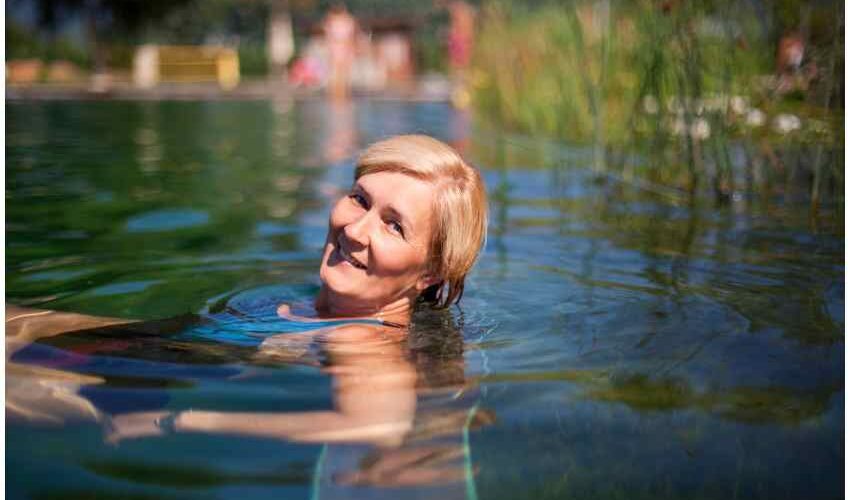
Fed up with the chemical smell and constant upkeep of a traditional swimming pool? Imagine stepping into your own garden and slipping into crystal-clear water, naturally filtered by plants. A natural swimming pond offers a beautiful, sustainable, and life-enhancing alternative. Let’s explore how these incredible ecosystems work and why it is worth considering a natural swimming pond.
What Is a Natural Swimming Pond?
A natural swimming pond is a self-sustaining ecosystem that mimics the balance found in a wild lake, creating a refreshing swimming experience without chemicals. Unlike a conventional chlorinated pool, which relies on harsh chemicals to kill bacteria, a swim pond is divided into two main zones.
The first is the swimming area itself, and the second is a dedicated ‘regeneration zone’. This shallow planted area is the heart of the pond’s filtration system. Here, carefully selected aquatic plants, aggregates, and beneficial microorganisms work together to naturally filter and purify the water, keeping it clear and healthy enough to swim in.
It’s also different from a typical garden wildlife pond. While it certainly attracts wildlife, a swim pond is specifically designed and engineered for human use, with distinct swimming and filtration areas to ensure the water remains hygienic and clear.
Why it is Worth Considering a Swim Pond
Wherever you live in the UK, it is worth considering a natural swimming pond to enhance your lifestyle and garden aesthetics. In Essex, our unique climate and landscape provides a fantastic backdrop for natural swimming ponds. Essex is one of the driest regions in the UK, and our warm summers are perfect for enjoying a dip. A swim pond offers a welcome escape during a heatwave, providing a cool, refreshing retreat right on your doorstep.
The heavy clay soil found across much of the county, while challenging for some types of gardening, is excellent for creating the sealed basin required for a pond, holding water naturally. The Essex Design Guide’s recommendation of a minimum 100m² garden for most homes means many properties have ample space for a swim pond.
The wellbeing benefits are undeniable. Immersing yourself in the cool, silky water of a natural pond is a powerful way to relieve stress and connect with the present moment. Many people find that a quick morning dip is a wonderful way to start the day, leaving them feeling energised and focused.
Wildlife & Sustainability Gains
A swim pond is more than just a place to swim; it’s a commitment to sustainable living and a gift to your local ecosystem. The regeneration zone, with its array of native plants, will attract dragonflies, birds, frogs, and newts. It’s a constantly evolving natural spectacle that provides endless fascination.
From a sustainability perspective, the benefits are significant. You completely eliminate the need for chlorine and other harsh chemicals. Swim ponds can be designed to collect and use rainwater from your roof, reducing your reliance on mains water. The filtration system runs on a small, low-energy pump, making it far more energy-efficient than conventional pools.
Design & Safety Considerations
Thoughtful design is key to a successful and safe swimming pond. The regeneration zone typically occupies around half of the total water area, acting as a biological filter where plants and beneficial bacteria work in harmony to consume nutrients and outcompete algae.
Ponds are often designed with different depth zones: a shallow beach area for paddling, a mid-depth zone, and a deeper area for swimming. Safe access is paramount, with options ranging from a gently sloping gravel beach to more formal steps or a wooden jetty.
For families with young children, safety is the number one priority. Safety measures such as secure fencing, lockable gates, and surface alarms should be integrated into the design. Children must always be supervised when near the water.
Care Through the Seasons
One of the most appealing aspects of a natural swimming pond is its low-maintenance nature. There’s no daily testing of water chemistry or adding expensive chemicals. The maintenance routine is more akin to gardening than pool care.
In spring, cut back dead plant material to make way for new growth. Summer requires little intervention—simply enjoy it! In autumn, manage falling leaves with a skimmer net to keep nutrient levels in check. Winter sees the pond enter a dormant phase with very little to do other than enjoy its sculptural beauty.
Budget & Planning Basics
It’s important to be realistic about the investment required. Professionally installed swimming ponds in the UK typically start from around £75,000, depending on size, depth, ease of access, and groundworks complexity.
While this initial outlay is higher than many conventional pools, the long-term running costs are significantly lower. You’ll save hundreds of pounds each year on chemicals, and energy consumption is minimal.
In most cases, a swimming pond is considered permitted development, meaning you won’t need formal planning permission. However, it’s wise to check with your local authority, especially if your property is listed or in a Conservation Area.
Getting Started
Are you considering a natural swimming pond and ready to take the plunge? The first step is finding a specialist designer who understands the unique requirements of natural swimming ponds. Look for a company with a proven track record, deep understanding of aquatic ecology, and passion for creating beautiful, sustainable water features.
A good designer will work with you to create a pond that complements your garden, suits your lifestyle, and meets your budget. Creating a swim pond is a journey that rewards you with a stunning garden centrepiece, a haven for wildlife, and a lifetime of chemical-free swimming.
For expert advice and bespoke design, consider contacting a specialist like Ponds By Michael Wheat.