
Easy Ways to Make Your Wildlife Garden Look Neat and Cared For
And increasing number of people understand how important gardens are to wildlife, especially pollinators such as bees, butterflies, moths, hoverflies and even moths. And making a garden wildlife friendly, especially if you can add a pond – even a small one – can provide hours of joy. But perhaps there’s a limit to how ‘wild’ you like your garden to look! No need to worry This article will show you how to make your wildlife garden look neat and tidy without too much effort!
Keeping even a wildlife garden tidy doesn’t have to take hours or fancy tools. A neat lawn, trimmed edges, and clean paths can totally change how your outdoor space looks. But when life’s busy, garden work can easily drop to the bottom of the list. The good news? With just a few smart moves and the right tools, it’s easy to make your garden look cared for—even if free time is hard to come by.
Just consider some of the garden celebs we frequently see on TV. Both Alan Titchmarsh and Monty Don, for example, are organic gardeners and are keen to encourage wildlife into their respective plots, but they also have areas of pristine lawns and flowers beds!
Start with the Edges
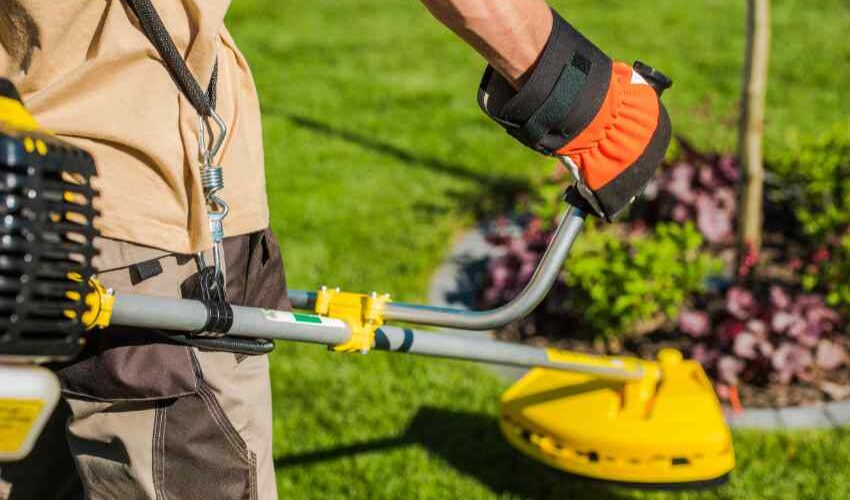
Even if the grass isn’t perfectly cut, sharp edges around the driveway, sidewalk, or flower beds instantly make a garden look better. It’s kind of like when a haircut looks cleaner after the sides are trimmed, even if the top is still messy. This is where a weed wacker, or what we would normally calla strimmer in the UK, comes in handy. It’s perfect for touching up the spots your mower can’t reach or cleaning up areas where grass spills over the edge.
For anyone looking to tidy up borders without spending a whole afternoon doing it, a weed wacker is a smart tool to keep around. It handles overgrown patches, hard-to-reach corners, and even weeds near fences quickly and easily. Just a quick pass around the garden can make everything look sharper.
Don’t Let Weeds Take Over
Weeds are often described as flowers in the wrong place. And some weeds can really look extremely attractive. Some weeds are easy to deal with. Common chickweed, for example, is a dainty plant that pops up all over the place. But it is an annual that is easy to pull up and it is also great in salads! So, it isn’t a weed that is ever going to cause a real problem.
However, lesser celandine is a plant with bright yellow starry flowers that looks very attractive, but it has bulbous roots and perennial bulbs that break off and spread. And it is extremely hard to eradicate once it takes hold.
Checkout this RHS guide to help you recognise weeds and take action where you need to.
Keep the Lawn Short (But Not Too Short)
Mowing the lawn regularly makes a huge difference in how the garden looks. It doesn’t have to be done every few days—just often enough that it doesn’t look scruffy or uneven. When the grass is too tall, everything else starts to look messy too. But cutting it too short can actually stress the grass, especially in hot weather.
Aim for a balanced height. Most lawns look good when the grass is kept between two and three inches tall. It’s short enough to look neat but long enough to stay healthy and green. If there’s no time for weekly mowing, try using a robot mower or a battery-powered one that makes the job quicker and easier. Some mowers can even be scheduled to run while doing other tasks, which saves even more time.
But of course, also having a patch of uncut grass is exceptionally good for wildlife. And providing this is balanced with neatly mowed areas of grass the overall effect can be quite enchanting.
Tidy the Paths and Patio
It’s easy to forget about the hard surfaces in the garden, but things like walkways, patios, and driveways make a big difference in how clean the space feels. A few weeds growing through the cracks or a layer of dirt can make these areas look ignored and potentially cause longer term damage. And if you also use your garden for socialising, you’ll certainly want it looking neat and tidy.
Give them a quick sweep now and then. For weeds growing in the cracks, a string trimmer with an edging function works really well. For extra-clean paths, a basic hose or low-pressure washer can rinse off dirt and brighten up the surface.
Alternatively, there are several plants you may chance to intentionally plant in those cracks that are not deep rooted, look lovely and don’t do any damage. Low-growing thyme, which also smells fantastic, and erigeron can look delightful.
Use Mulch to Cover Bare Spots
Bare spots in flower beds or around trees make the garden look unfinished. Mulch is an easy way to cover those patches. It also helps stop weeds from growing, helps keep the soil moist, and improves soil structure, all of which is great for plants.
Pick a simple, natural colour like brown or black mulch so it blends in with the rest of the garden. Pour it around trees, flower beds, or bushes—anywhere the ground looks patchy or dry. Mulch doesn’t need to be replaced often and adding a fresh layer once or twice a year keeps things looking clean without much work.
Go for Low-Maintenance Plants
If planting and watering feel like too much, focus on low-maintenance plants that can handle themselves. Some bushes and flowers barely need attention but still add colour and life to the garden. Look for native plants that grow well in the local weather. These usually take less care and don’t need much water once they’re settled in.
A few well-placed plants can change how a space looks. Add a small group near the front door, along the fence, or next to the patio. It helps break up the space and adds some natural beauty without creating more work.
Store Tools Where They’re Easy to Grab
One reason garden work takes forever is because the tools are hard to find or not ready to use. Keeping tools in one spot, close to where they’re needed, saves time and makes quick cleanups way easier. Hanging tools in a small shed, garage corner, or even a weather-safe bin near the garden can help a lot.
Charge battery tools after each use, so they’re ready to go next time. If something runs out of line or needs a part, fix it before putting it away. That way, nothing slows things down later.
Do a Little at a Time
Trying to tackle everything at once can feel overwhelming. But doing a small part of the garden each time makes a big difference without burning out. One day could be mowing, another day edging, and another just pulling a few weeds.
Even ten minutes during a spare moment can help. Walk through the garden and fix whatever stands out the most. Over time, this keeps the whole space looking cared for without ever needing a full-day cleanup.
How to Keep Your Wildlife Garden Looking Good
Making your wildlife garden look neat doesn’t have to mean spending all weekend working outside. A few simple habits and the right tools go a long way. Trimming the edges, stopping invasive weeds in their tracks, mowing just enough, and giving attention to paths and plants keeps things looking tidy. Using tools that are easy to grab and working in small chunks means it never gets overwhelming.
A clean garden doesn’t have to be perfect. It just has to look like someone cares about it—and with these tips, that’s easier than ever.
And do remember, a wildlife garden and a neat garden are not mutually exclusive. With our simple tips, you can easily make your wildlife garden look neat and tidy without it taking up too much time.