
Insights and Comprehensive Guide to Dental Veneers
Numerous people achieve their desired aesthetic goals through dental veneers. And while the main reason for considering veneers is generally for cosmetic purposes, the procedure is also sometimes deemed necessary to address functional issues or restore dental health. This comprehensive guide to dental veneers explains the different options, the procedure involved, the benefits, what patients can expect, and after care.
Whether you’re considering veneers for the first time or looking to replace old ones, this guide aims to provide all the information you need.
What Are Dental Veneers?
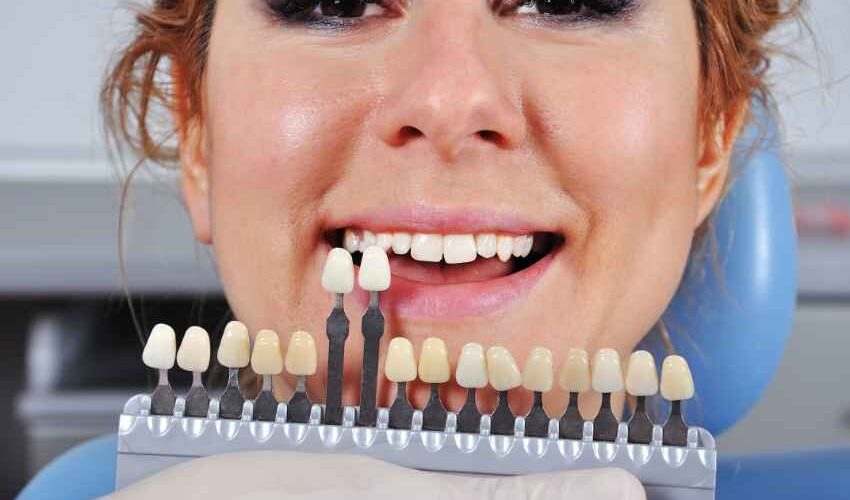
Thin, custom-made shells called dental veneers cover front surfaces of teeth to enhance their appearance. Usually constructed from either porcelain or composite resin materials, they are attached to the teeth to alter their colour, shape, size, or length. Veneers are used to address a variety of dental issues, including:
Discoloured teeth that cannot be whitened by bleaching
Worn down teeth
Chipped or broken teeth
Misaligned, uneven, or irregularly shaped teeth
Gaps between teeth
Types of Veneers
There are primarily two types of veneers: porcelain and composite resin.
Porcelain Veneers
Porcelain veneers are known for their natural appearance and durability. They are highly resistant to stains and can last between 10 to 15 years with proper care, as the veneering guide at Marylebone Smile Clinic explains.
The process of getting porcelain veneers typically involves:
Consultation and Diagnosis: During the initial visit, your dentist will discuss your goals and expectations. They will examine your teeth and may take X-rays or make impressions of your mouth and teeth.
Preparation: A small amount of enamel will be removed from the tooth surface to accommodate the veneer. Impressions of your teeth will be taken and sent to a dental laboratory to create the veneers.
Bonding: Once the veneers are ready, your dentist will place them on your teeth to check the fit and colour. After making any necessary adjustments, the teeth will be cleaned, polished, and etched to prepare for bonding. A special cement is used to bond the veneer to the tooth, and a special light beam is applied to harden the cement.
Composite Resin Veneers
Composite resin veneers are made from tooth-coloured resin material. They are less expensive than porcelain veneers and require less enamel removal. The process for composite veneers includes:
Consultation and Diagnosis: Similar to porcelain veneers, your dentist will evaluate your teeth and discuss your treatment options.
Preparation: Little to no tooth enamel needs to be removed.
Bonding: The composite material is applied directly to the tooth’s surface, shaped, and hardened with a special light. After hardening, the veneer is polished to give a natural appearance.
Benefits of Dental Veneers
Dental veneers offer several benefits that make them a popular choice among patients seeking cosmetic dental improvements:
Natural Appearance: Veneers mimic the light-reflecting properties of natural teeth, providing a realistic appearance.
Stain Resistance: Porcelain veneers are particularly resistant to stains from coffee, tea, and smoking.
Durability: Veneers are durable and can last many years with proper care.
Minimally Invasive: The procedure requires minimal removal of tooth enamel compared to other dental restorations.
Customisable: Veneers are custom-made to fit your teeth and enhance your smile’s appearance.
Sensitivity reduction: The laminates often act as a barrier to block painful nerve signals such as when sipping a hot drink or enjoying a cold ice cream.
Avoiding bacteria build-up: Veneers close the gaps that are often a breeding ground for bacteria and plaque build-up that leads to disease.
The Procedure: What to Expect
Understanding the veneer procedure can help ease any apprehensions you may have. Here’s a step-by-step overview:
Initial Consultation
The first step is to schedule a consultation with your cosmetic dentist. During this visit, you will discuss your goals, and the dentist will evaluate your oral health. Impressions or digital scans of your teeth may be taken to plan the treatment.
Tooth Preparation
For porcelain veneers, a small amount of enamel will be removed from the tooth surface. This is necessary to ensure the veneer fits properly and looks natural. Composite veneers require little to no enamel removal.
Impression and Temporary Veneers
If you’re getting porcelain veneers, impressions of your teeth will be sent to a dental laboratory to fabricate your custom veneers. Temporary veneers may be placed to protect your teeth until the permanent ones are ready.
Bonding
Once the veneers are ready, your dentist will place them on your teeth to check the fit and colour. After making any necessary adjustments, the teeth will be cleaned and prepared for bonding. A special cement is used to attach the veneers to the teeth, and a curing light is applied to harden the cement quickly.
Final Adjustments
After the veneers are bonded, your dentist will make any final adjustments to ensure a perfect fit and bite. Your new veneers will be polished to give a natural and attractive appearance.
Post-Procedure Care
Proper care is essential to maintain the longevity and appearance of your veneers. Here are some tips for taking care of your veneers:
Oral Hygiene: Maintain good oral hygiene by brushing and flossing daily. Use a non-abrasive fluoride toothpaste to avoid damaging the veneers.
Regular Dental Visits: Visit your dentist regularly for check-ups and cleanings. Your dentist will check the condition of your veneers and address any issues promptly.
Avoid Hard Foods: Avoid biting or chewing on hard objects such as ice, pens, or fingernails to prevent chipping or cracking the veneers.
Limit Stain-Causing Foods and Beverages: While porcelain veneers are stain-resistant, it’s still a good idea to limit consumption of stain-causing foods and drinks like coffee, tea, and red wine.
Potential Risks and Considerations
While veneers offer many benefits, it’s important to be aware of potential risks and considerations:
Irreversibility: The process of applying veneers often involves removing some enamel, making the procedure irreversible.
Sensitivity: Some patients may experience temporary sensitivity to hot or cold temperatures after the veneers are placed.
Cost: Veneers can be costly, especially porcelain veneers, which may not be covered by dental insurance since they are considered a cosmetic procedure.
Longevity: Although durable, veneers will eventually need to be replaced. Proper care can extend their lifespan, but they are not permanent.
Who Is a Good Candidate for Veneers?
Veneers are an excellent option for many people, but they may not be suitable for everyone. Good candidates for veneers typically:
Have good overall oral health
Have enough enamel on their teeth to support the veneers
Do not grind or clench their teeth excessively
Have realistic expectations about the outcomes
Your cosmetic dentist will evaluate your specific situation to determine if veneers are the right choice for you.
Conclusion
Dental veneers are a versatile and effective solution for improving the appearance of your teeth and achieving a beautiful smile. Whether you choose porcelain or composite resin veneers, working with an experienced cosmetic dentist ensures that you receive the best possible care and results.
This comprehensive guide to dental veneers will enable you to understand the process, benefits, and care involved with veneers, thus helping you make an informed decision about your dental health.
With the right approach and professional guidance, veneers can provide a long-lasting and stunning improvement to your smile, boosting your confidence and overall quality of life.