
The Hair Care Aisle: Navigating the Maze of Ingredients
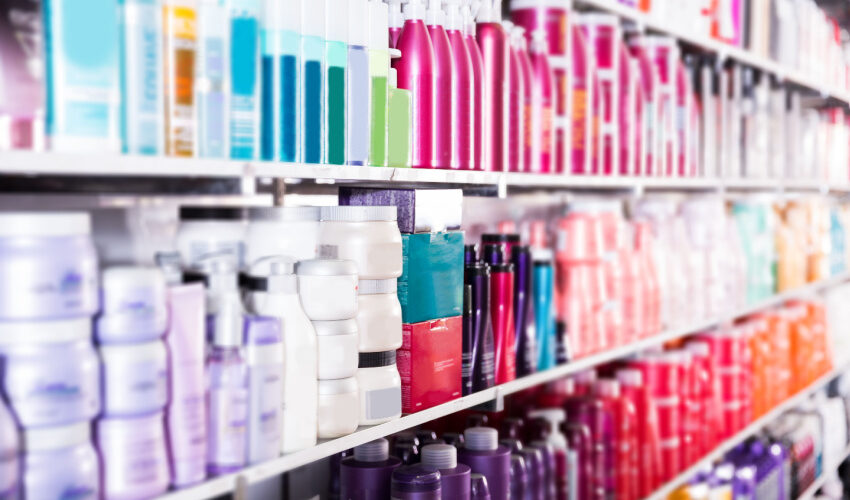
Strolling down the hair care aisle at any chemists or supermarket can feel overwhelming. The shelves are packed with hundreds of shampoos, conditioners, sprays, and styling products promising every kind of benefit for your hair. With clever marketing and eye-catching packaging, it’s easy to throw any product into your basket without glancing at the ingredient list. But maybe it’s time to consider the good, bad and ugly of hair care ingredients!
That small text on the back of the bottle holds important clues into what these products actually contain. While many hair care ingredients are safe and effective, others can be irritating or damaging for certain hair types. Most importantly, as the Campaign for Safe Cosmetics advises, some of the bad and ugly ingredients in hair care products are potentially toxic.
Fortunately, consumers are becoming more conscious of what goes onto and into their bodies and there is also a growing awareness around the ingredients in personal care and beauty items. To make truly informed choices about your hair products, it’s important to understand what ingredients to look for, which to avoid, and how to decipher an ingredient label.
So, let’s look at the good, bad and ugly choices you can make when purchasing hair care products.
The Hair Saviors: Surfactants and Natural Oils
Shampoos and conditioners contain surfactants, the key cleansing agents that help remove dirt, oil, product buildup and other impurities from the hair and scalp. Most common surfactants are sulphates like sodium lauryl sulphate and sodium laureth sulphate.
Derived from sulphur-based chemicals, sulphates are very effective at cutting through oil. However, they can strip away too much of the hair’s natural moisture, leaving it dry and brittle over time.
For gentle cleansing, look for sulphate-free brands that rely on milder surfactants like decyl glucoside and coco-glucoside. These are made from coconuts or corn and are less harsh on the hair and scalp. Still, sulphate-free doesn’t necessarily mean all-natural. Make sure to scan the rest of the ingredient list for other concerning additives.
Natural plant oils and butters are great ingredients that help reinfuse moisture into hair depleted by daily washing and styling. Beneficial oils to look for are coconut, argan, marula, avocado, olive, almond, jojoba, grapeseed, and Moroccan. Shea butter, cocoa butter, and mango butter are wonderful for extra hydration.
Unlike synthetic silicones that temporarily coat the hair, these good guy plant-based oils and butters penetrate the hair shaft to nourish hair from within. They also provide fatty acids, antioxidants, and vitamins that promote healthy hair growth.
Essential Ingredients: Botanical Extracts
Many hair products now include botanical extracts derived from herbs, fruits, vegetables, and plant leaves. These really are the good guys of hair care ingredients.
Popular extracts with proven hair benefits include:
Aloe vera: Soothes and hydrates the scalp. Contains proteolytic enzymes that repair dead skin cells.
Green and black tea: Protects against UV damage thanks to polyphenol antioxidants. May help stimulate hair growth.
Ginseng: Boosts blood circulation to the scalp to encourage healthy hair follicles. Has anti-inflammatory properties.
Rosemary: Increases blood flow to the scalp to stimulate growth. Has antioxidant rosmarinic acid to condition hair.
Chamomile: Anti-inflammatory. Helps treat dandruff and scalp irritation.
Lavender: Stimulates new hair growth and prevents thinning. Has antimicrobial and antiseptic activities.
Lemongrass: Removes excess oil and dandruff. Has vitamins, minerals, and antioxidants.
While individual results can vary, these natural extracts are generally gentle and safe for most hair types. They can provide therapeutic benefits not found in synthetic ingredients.
What to Avoid: The Hazardous Additives
Sadly, the hair care aisle also contains its fair share of products with questionable ingredients linked to health issues. Here are some of the top bad and ugly hair care ingredients to avoid:
Sulphates: Ammonium lauryl sulphate, sodium lauryl sulphate (SLS), sodium laureth sulphate (SLES)
–Why they’re harmful: These harsh detergents strip away natural oils leading to dry, damaged hair. Can irritate skin.
Silicones: Dimethicone, cyclomethicone, amodimethicone
–Why they’re harmful: Coat hair to make it appear smooth but cause buildup. Prevent moisture from penetrating hair shaft.
Parabens: Methylparaben, propylparaben, isobutylparaben
–Why they’re harmful: Preservatives that may disrupt hormones and have been found in breast cancer tumors.
Formaldehyde: Formaldehyde releasers like quaternium-15, DMDM hydantoin, imidazolidinyl urea
–Why they’re harmful: Known carcinogen that’s toxic by inhalation. Linked to allergies and hair loss. Banned in the EU. Clearly relly ugly hair care ingredients to be avoided at all costs!
Phthalates: Diethyl phthalate (DEP)
–Why they’re harmful: Plasticisers that can act as endocrine disruptors and may cause birth defects. Very ugly ingredients!
Artificial Colors: FD&C Yellow No. 5 and 6, D&C Red No. 33
–Why they’re harmful: Coal tar-derived colours linked to allergies, cancer, and hyperactivity in children.
Synthetic fragrances
–Why they’re harmful: Contain hundreds of undisclosed chemicals including carcinogens and neurotoxics. Top source of sensitivities.
Ethanolamines: MEA, DEA, TEA
–Why they’re harmful: React with other ingredients to form carcinogenic nitrosamines. Irritate skin and eyes.
When reviewing ingredient labels, it’s equally important to consider what’s not included in the product. Seek out formulas with plant-powered ingredients and free of the above chemicals of concern.
Also avoid ambiguous phrases like “parfum” or “artificial colours” which obscure the actual chemicals used.
Decoding the Label Lingo
Learning to decode ingredient labels is an important step toward making informed choices about the good, bad and uggly ingredients in hair care products. Here are some key tips:
Ingredients are listed in descending order of concentration. Main ingredients appear first.
Look for natural plant oils and butters near the top of the list for hydrating and nourishing hair products.
Avoid products with alcohol denat, sulphate detergents, silicone oils, and fragrance in the first few ingredients.
“Fragrance” can represent a blend of up to 4,000 ingredients that companies can keep secret. Seek “natural fragrance” from essential oils instead.
“Organic” refers to agricultural ingredients grown without synthetic fertilizers or pesticides. Products can contain a mix of organic and conventional ingredients.
The fewer ingredients, the better. Opt for products with 10 ingredients or less for simple formulations free of hazardous additives.
With practice, you’ll learn to spot ingredients like sulphates, parabens, and phthalates in product lists quickly. Download helper apps like ThinkDirty or Environmental Working Group’s Healthy Living to scan products and understand their safety ratings
Check out online reviews
Check out online reviews and social media when choosing hair care brands. These will provide a good indication of the best products to purchase – remembering that because something is natural or organic, it doesn’t necessarily mean you get the beautiful, shiny, healthy hair you expect.
But the best products, although sometimes slightly more expensive, will be good guys both in terms of ingredients their hair care products contain and also the results their products provide. Anomaly, for example, receives overwhelmingly positive feedback:
“My stylist recommended I switch to these products after I bleached my hair. My strands look so much stronger and healthier now.”
“I love that these products use clean, sustainable ingredients. My hair feels clean without being dried out or stripped.”
Dampen Damage With Healthier Habits
While switching to cleaner hair care can make a big difference, changing how you wash, brush, and style your hair is equally important. Here are tips to minimize hair damage:
Shampoo less frequently, just 2-3 times per week. Over-washing strips essential moisture.
Rinse with cool water instead of hot to avoid dehydration and cuticle damage.
Detangle hair gently with a wide-tooth comb before washing to prevent breakage.
Pat hair dry with a towel instead of rubbing vigorously. Be extra gentle with wet hair.
Avoid excessive heat tools like curling irons, straighteners, and hair dryers. Always use heat protectant spray.
Wear hair in loose hairstyles versus tight ponytails that pull on hair and the scalp.
Use soft scrunchies, fabric hair ties, and claw clips over tight hair elastics.
Eat a balanced diet with protein sources like eggs, fish, nuts and beans to nourish hair from within.
Conclusion
With a little label literacy and hair care habit adjustments, you can uncover healthier solutions for your unique hair needs. Seek products with natural oils, antioxidants, and hair-loving botanicals for everyday nourishment and shine.
Say no to harsh detergents, toxic preservatives, and mystery “fragrance” blends. Get ingredient savvy so you can make empowered choices about the products that make contact with your scalp and hair.
Once you understand the good, bad and ugly of hair care ingredients, your lush locks will look and feel their absolute best without compromising your health in the longer term.