
Common situations when wearing sunglasses is essential
Sunglasses are a very popular fashion accessory these days. But they are also an essential item in many different situations. Bright sunlight can cause a range of temporary health problems, like headaches and migraines as well as more permanent and sometimes serious issues such as cataracts and eye disease. Additionally, the lenses of your sunglasses, not only protect the inner workings of your eyes, but also the sensitive area surrounding them. In this article, we’re going to look at some common situations when wearing sunglasses is essential.
Protection from UV rays
One of the most important advantages of wearing sunglasses is that they can protect your eyes from harmful UV rays, just like wearing sunscreen to protect your skin. But as with your skin, it is important to ensure your eyes do get some fresh air and sunshine in order to keep your eyes healthy, but the situation, time, and intensity of exposure should be carefully controlled and limited.
Not all sunglasses are the same, as they have different levels of UV protection, which is not based on the colour of the lens. You can choose a pair with 100% protection from ultraviolet rays to make sure your eyes are safe. We may typically think that we are exposed to these rays during sunny weather, but they can penetrate through cloudy skies so it’s actually recommended to wear them all year round.
Good quality sunglasses that provide appropriate protection rather than just being a fashion accessory can be more expensive. Luckily, there are so many stylish glasses out there to choose from that finding the right pair is not a difficult task. You don’t have to renounce fashion to keep yourself safe and protected and you can also reduce the cost by searching out bargains. For example, you could even save money on your purchase with a Ray Ban discount code.
So let’s continue looking at some of the times when you’ll not only want to show off your new sunglasses, but they will also provide much-needed protection.
Water and snow
If you’re near water, whether it’s a swimming pool, at the seaside, or a fishing or sailing trip, these are all important times to wear your shades. This is because the sun can reflect off any mass of water, meaning that the sun’s rays arrive directly into your eyes. The sun can also cause a glare effect from reflections on white sandy beaches, or the book you’re reading. As we’ve mentioned above, this is true on cloudy days as well as when it’s clear and sunny. Similarly, snow can cause reflections in just the same way as water, so it’s a good idea to protect your eyes during activities like skiing, or any other occasion where you are surrounded by snow. It’s also recommended to wear glasses with a large lens and possibly a wrap-around feature for extra protection.
Driving
When driving, sunglasses can also keep you safe and improve your vision. Just as with water, you can be exposed to reflections of sunlight from a huge range of factors including the windshield of other cars. Particularly if you find yourself driving at sunrise or sunset, these blinding rays of sunlight can damage your eyesight and impair your vision, which could potentially be very dangerous. Sunglasses will also help to reduce eye strain while driving, so you’ll feel less tired if you’re on a long trip. Keep a pair in your car at all times to make sure you don’t get caught out.
Cycling
Cycling is another activity that can put your eyes at risk and there are several reasons why wearing sunglasses is essential. Whether you’re mountain biking, or casual cycling along a dirt road your eyes can be exposed to a number of dangers like dirt, dust particles, and insects. You can protect yourself from these risks by wearing sunglasses that also protect your eyes from those damaging UV rays so you’ll be able to enjoy the surrounding views and make the most of your outdoor adventure.
Helpful advice
If you’re concerned about selecting the right sunglasses for a specific activity or occasion, or you want to make sure that your eyes are properly protected, then check out the helpful advice available from the Association of Optometrists.
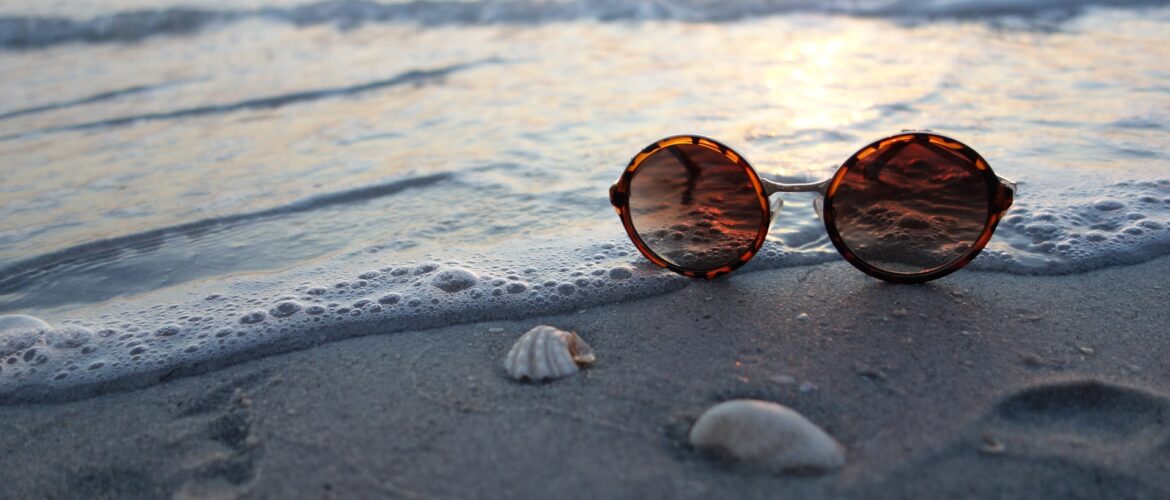
Photo by Amber Ahrens on Unsplash