
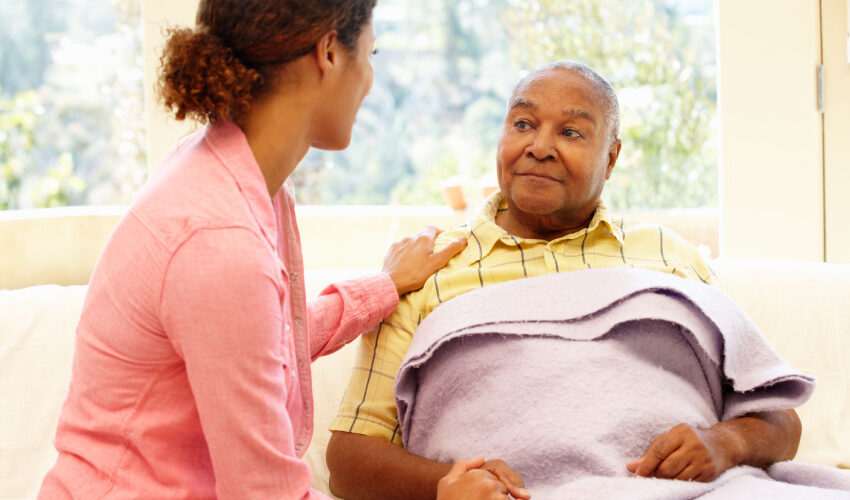
Tips To Help You Support Your Elderly Loved One’s Wellbeing
When people get older, their physical, emotional, and mental needs change. This makes providing them with the right level of care to support their wellbeing and quality of life important. Ageing can come with its challenges, but with the right strategies and a compassionate approach, supporting your elderly loved one’s wellbeing can make a positive difference in their lives.
This blog will explore some valuable tips to look after the wellbeing of your loved one as they get older.
Regular Communication
Maintaining open lines of communication is essential for the emotional wellbeing of your elderly loved one. Loneliness and isolation are common concerns among seniors, so make an effort to check in regularly, whether it’s through phone calls, video chats, or in-person visits.
Engage in conversations that allow them to share their thoughts, stories, and feelings. This helps combat feelings of isolation and strengthens the bond between you and your loved one.
Encourage Physical Activity
Physical is important in maintaining the health and wellbeing of the elderly. Encourage your loved one to exercise regularly for their age and physical condition. Activities like walking, swimming, or gentle yoga can help improve their mobility, flexibility, and overall health.
Regular exercise also releases endorphins, which can contribute to a positive mood and reduce stress.
Balanced Nutrition
A nutritiously rich diet is crucial for maintaining the health of older adults. Be sure that your loved one has a balanced diet that includes lots of vegetables, fruits, lean proteins, whole grains, and healthy fats.
If cooking becomes challenging, consider preparing nutritious meals in advance or exploring meal delivery options that cater to their dietary needs.
Mental Stimulation
Engaging the mind is just as important as caring for the body. You can encourage your elderly loved one to participate in activities that stimulate their cognitive function.
Puzzles, board games, reading, and even online classes can help keep the mind active. Social interactions and conversations with friends, family, or local community groups can also provide valuable mental stimulation.
Safety and Accessibility
It’s important to create a safe living environment for your elderly loved one. Ensure their home is equipped with safety features such as handrails, non-slip mats, and proper lighting.
Consider any mobility issues they may have and make appropriate modifications to their living space to enhance accessibility and reduce the risk of accidents.
If it is no longer safe for your loved one to live at home, it might be sensible to explore care home options. Due diligence is essential to ensure the care home continues supporting your elderly loved one’s wellbeing. Ensure you choose a home such as valeviewheights.com where their elderly guests are monitored around the clock, thus giving you peace of mind.
Regular Health Check-ups
Regular health check-ups are crucial to catch any potential health issues early. Schedule appointments with their healthcare providers for routine check-ups and screenings. Stay informed about their medications, medical history, and any prescribed treatments. Being proactive about their health ensures that any issues are addressed promptly.
Emotional Support
As people age, emotional wellbeing becomes increasingly important. Be a compassionate listener and provide support to your elderly loved one when they need it. Let them express their feelings and concerns and provide reassurance and understanding. Engaging in activities they enjoy and spending quality time together can help lift their spirits and create positive emotional experiences.
Encourage Hobbies and Interests
Support your loved one’s hobbies and interests to keep them engaged and fulfilled. Whether gardening, painting, playing a musical instrument, or even learning a new skill, these activities can provide a sense of purpose and joy in their daily lives.